Get Full Government Meeting Transcripts, Videos, & Alerts Forever!
Get email alerts on the Municipal Fees topic
No spam. Unsubscribe anytime.
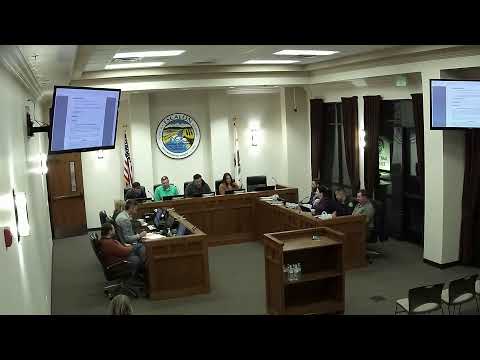
Escalon council tables proposed fireworks‑stand fee increases, asks staff for re‑analysis
Summary
Councilmember Stroman urged pausing proposed increases to nonprofit fireworks‑stand fees (application $140; license $153), saying they would burden small local fundraisers. Council voted to table the item and directed staff to return with a detailed cost analysis.
Councilman Stroman pressed the City Council on a proposal to raise fees for temporary fireworks stands used by local nonprofits, arguing the combined application ($140) and license ($153) fees would divert limited fundraising dollars away from youth programs.
Stroman said, “If these nonprofits are holding a fundraiser to actually benefit our youth, why are we screwing them with these ridiculous fees?” He illustrated the impact by estimating a typical nonprofit operating four booths would pay roughly $300 per booth — about $1,200 total — in upfront city fees.
City staff and the city manager explained the fee schedule stems from an adopted rate study designed to recover staff time and program administration costs; the manager said councils may set a lower fee but any reduction would be a hit to the general fund. Staff also noted some costs (fire inspections) are often provided by the fire department at no charge to the city.
Several council members said the rate study should be rechecked. One asked whether fireworks permitting really requires more staff time than issuing a routine business license; another proposed temporarily pausing the increase while staff performs an informal time‑and‑cost analysis. The council voted to table the item and directed staff to return with that analysis at a future meeting.
The motion to table was made from the dais and seconded; the council voted in favor by voice vote.
What happens next: Staff will prepare an analysis of actual staff hours and associated costs and bring the item back to council for further consideration.