
Board grants variance for outbuilding in Knox County 500‑year floodplain despite county opposition
Get AI-powered insights, summaries, and transcripts
Subscribe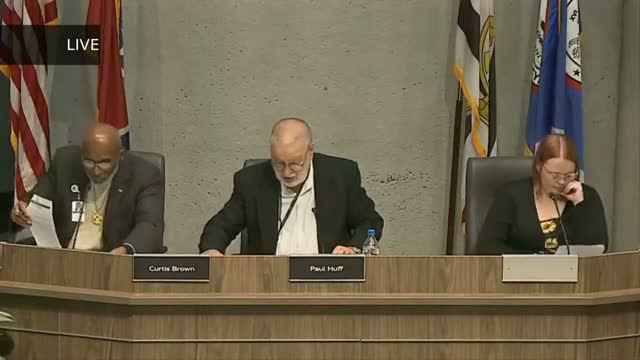
Summary
The Knox County Board of Zoning Appeals voted to waive a 500‑year floodplain guideline for a nonhabitable outbuilding at 8510 Kodak Road, despite staff opposition on FEMA‑insurance grounds and board members’ concern the decision could affect community flood‑insurance discounts.
The Knox County Board of Zoning Appeals on February (date not specified) approved a variance allowing a nonhabitable outbuilding at 8510 Kodak Road to remain below the county’s 500‑year floodplain elevation.
James Borsch, the property owner and applicant, told the board the discrepancy arose when his contractor and land surveyor relied on the wrong floodplain datum and he did not pass updated 500‑year information to them. “I did have all the information of the 500‑year floodplain. Apparently I did not give that to the contractor or the land surveyor,” Borsch said. He described having relied on the information available during construction and said the building sits at an elevation he believed met applicable standards.
Knox County floodplain staff, represented at the hearing by Steve of Knox County codes, told the board he was required by the county’s participation in the FEMA floodplain‑management program to oppose the request. “I’m required under that program to oppose this variance request,” Steve said, adding the county’s concern is not only whether a single structure floods but whether material from a structure could wash downstream and affect other properties and the community’s insurance rating.
Board members traded questions about how the variance could affect the county’s flood‑insurance discount and whether the structure is habitable. Commissioners noted the county’s floodplain manager’s recent death disrupted staff capacity and communications, and the applicant said that delay contributed to the error that led to construction at the lower elevation.
After discussion about risk to community insurance rates and the site’s particulars, the board voted to waive the county guideline for this structure. The board characterized the shed/outbuilding as nonhabitable and noted comparable rules in neighboring jurisdictions; the motion to waive the guideline carried with board assent.
Next steps: the board did not change county floodplain maps or policy; the decision applies to this specific property and may require the county to defend the variance during any audit of its FEMA participation. The board encouraged the applicant and staff to document the site elevations and to coordinate with county floodplain management and insurance officials.
Ending: The variance was granted and the applicant was excused; the county noted potential audit and insurance consequences that may be addressed administratively or in future policy updates.