Get Full Government Meeting Transcripts, Videos, & Alerts Forever!
Get email alerts on the Income Tax topic
No spam. Unsubscribe anytime.
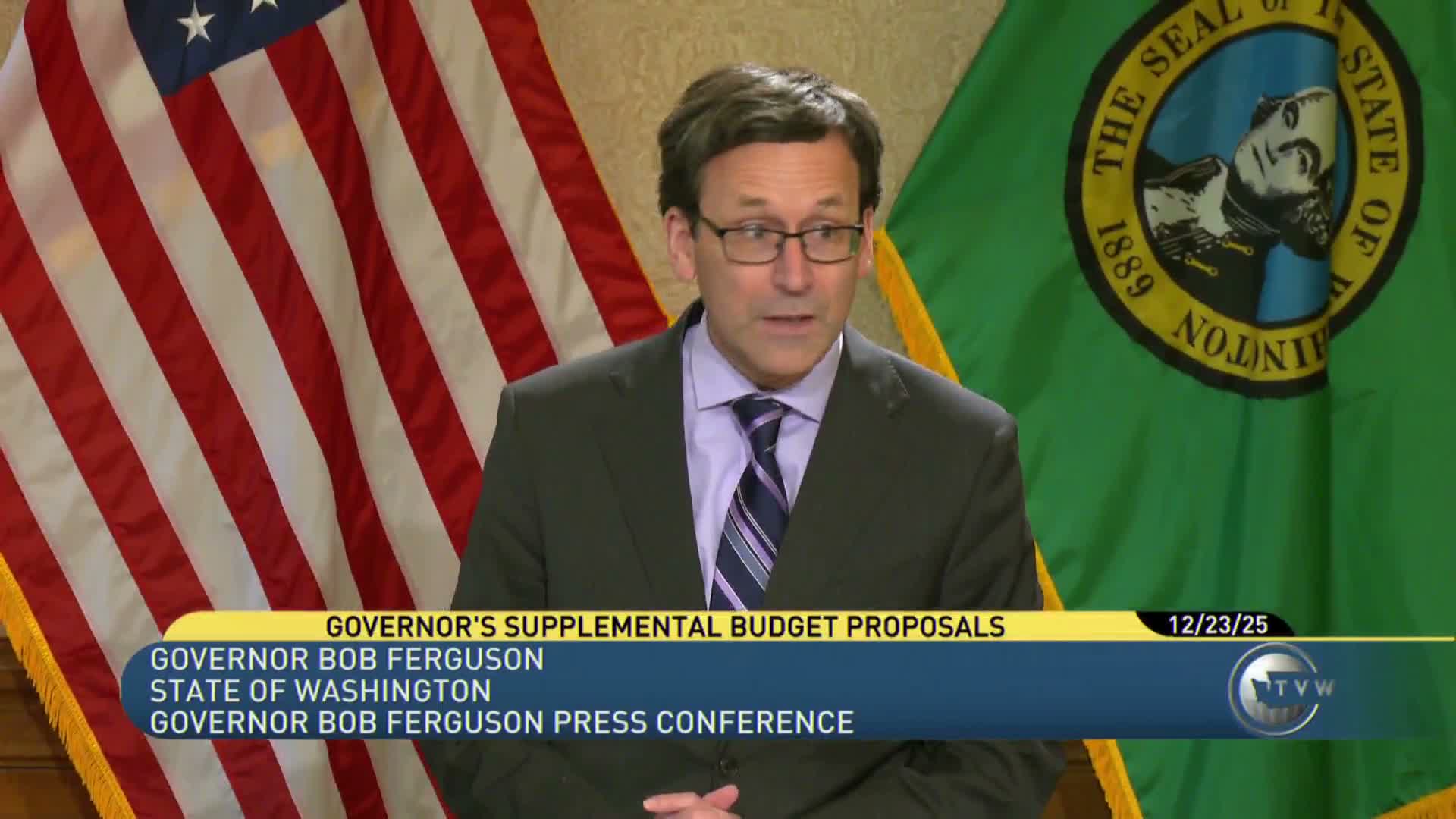
Governor backs "millionaire's tax," says revenues unlikely before 2029 and legal challenges are expected
Summary
The governor endorsed a proposed income tax on individuals earning more than $1,000,000 per year, estimated to raise at least $3 billion annually, and proposed using revenues for the Working Families Tax Credit, small-business relief and K–12; he also warned revenue would not be available until about 2029 and that court challenges are likely.
The governor announced support for a proposed "millionaire's tax" aimed at individuals with annual incomes above $1,000,000 and said the measure could raise at least $3,000,000,000 per year if adopted.
The governor stressed the proposal is separate from the supplemental budget: "The millionaire's tax has nothing to do with this budget," he said, adding that proceeds would not be realized until approximately 2029 even if adopted this session. He urged codifying the $1,000,000 threshold with inflation adjustments so that the tax would not affect most Washington households.
Policy and uses: The governor said less than half of 1% of Washingtonians would pay the tax and listed intended uses: expanding eligibility and benefits for the Working Families Tax Credit, providing B&O tax relief for small businesses (proposing to exempt small businesses until $1,000,000 in revenue), additional K–12 funding and targeted sales-tax relief on essential items such as baby products and personal hygiene goods.
Legal and implementation questions: Reporters asked about legal precedent and whether a graduated income tax would withstand court tests. The governor responded he "wouldn't be supporting it unless I felt confident" that legal paths could be navigated, acknowledged no guarantees and said he expected court challenges and voter involvement. When pressed about a 9.9 percent figure in one proposal, the governor said he "was good with that" in the proposal but emphasized details remain to be worked out with the Department of Revenue.
Process and timeline: The governor said the legislature will consider the proposal during the short session, that a court challenge is likely if it passes, and that voters would ultimately decide if a ballot measure or constitutional amendment were required to provide statutory protections for the threshold.
Next steps: The governor said he will continue to work with legislative leaders and Department of Revenue staff on implementation details and expects further conversations in the coming weeks; he also said he would communicate how revenues would be allocated when more precise modeling is ready.