Trainer Dawn urges relationship-centered infant mental health, highlights indigenous caregiving practices
Loading...
Summary
In a virtual training, presenter Dawn framed infant mental health as relationship-based, explained early brain milestones and toxic stress risks, and urged culturally rooted, practical caregiving strategies for teachers and families.
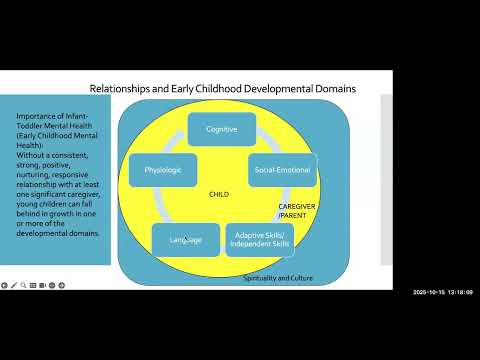
During a virtual training session, Dawn, the session presenter, described infant and early childhood mental health as a relationship-based field and urged caregivers and program leaders to center cultural practices and responsive caregiving.
Dawn said the clinical "client is their relationship," explaining that work with infants generally focuses on the caregiver–child dyad rather than treating a baby in isolation. She emphasized the narrow developmental window in early childhood, noting that "by a child's third birthday, 85 percent. By a child's fifth birthday, 90% of our brain cell connections are made," to underline why early relationships matter.
The session combined neurodevelopmental science and Indigenous approaches. Dawn shared examples she said are common in Native communities — welcoming and first-laugh ceremonies, cradle boards and clan-based caregiving — and said programs can thoughtfully incorporate some cultural practices into classrooms and home visiting work.
Dawn described how stress biology affects learning: repeated activation of cortisol without prompt caregiver response can disrupt brain connections and make earlier learning harder to retain. She used a brief physiological example — how a child’s heart rate rises when distressed and drops after a caregiver’s calming response — to show the value of quick, responsive support.
Practical strategies Dawn recommended for teachers and parents included frequent, predictable routines; verbalizing actions for children (self-talk while changing diapers or preparing food); sensory supports such as bedtime massage; and teaching caregivers simple repair steps when they "rupture and repair" relationships (for example, apologizing after raising a voice).
The presenter also flagged language and culture as strengths: participants described tribal language-immersion programs, and Dawn said bilingualism is often mistaken for delay when it is typically an advantage. She noted the neural groundwork for learning begins very early — neural tube formation around two to three weeks after conception — and encouraged early learning programs to bring family culture into daily practice.
Dawn told participants a slide failed to load during the session and said she would share revisions and resources in the chat. The host closed the session by posting a new Zoom link for the next 2:00 session on "protecting your children from offenders."