Venues praise ticketing transparency; independent venues warn bill allows speculative listings
Loading...
Summary
HB5125 drew support for all‑in pricing and anti‑deceptive URL rules, but independent venues and arts groups urged removing a carveout (lines 9–54) they say would allow speculative or concierge ticket sales that mislead customers and create box‑office chaos.
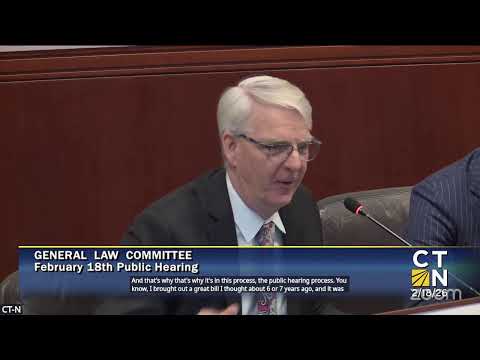
Connecticut venues, fan groups and resale platforms testified Feb. 18 on HB5125, a bill that would require clearer pricing and bar deceptive resale practices.
Advocates for consumers and venues praised proposed measures: all‑in pricing that shows a total upfront cost, prohibitions on deceptive URLs and deceptive website practices, and guaranteed refunds for canceled events. Brandon Baker of the Bushnell and other venue directors said these protections reduce confusion and protect patrons from inflated secondary‑market markups.
Independent venues, however, urged the committee to close a carveout (lines 9–54) that some witnesses and independent promoters say could be interpreted to permit speculative sales by resellers that do not hold the ticket at time of sale. Rufus Duram (Connecticut Arts Association) said concierge or seat‑saver language could be used to sell tickets that aren’t actually available, leaving patrons stranded at will‑call and creating security problems.
Secondary marketplaces and platform representatives supported the bill’s consumer protections but asked for technical clarifications. Joseph Angarba of StubHub and representatives of other platforms proposed edits to the definition of possession, payment flows and conformity with federal standards (FTC and the Federal Ticket Act) so that compliant sellers and marketplaces can meet the law’s obligations.
The committee signaled that drafts will be tightened to preserve legitimate secondary‑market activity for season‑ticket holders who contractually own seats but lack immediate ticket delivery, while preventing speculative, deceptive listings.
The hearing produced broad bipartisan interest in preserving all‑in pricing and anti‑deceptive URL measures, with an outstanding negotiation on how to write an exemption narrow enough to protect legitimate season‑ticket transfers without enabling fake‑ticketing scams.