Get Full Government Meeting Transcripts, Videos, & Alerts Forever!
Get email alerts on the Behavioral Health Services topic
No spam. Unsubscribe anytime.
Shelton’s Progressive Institute outlines holistic intensive outpatient program for adults
Summary
Progressive Institute’s recovery outreach manager described an 8–12 week intensive outpatient program in Shelton that offers separate mental health and substance-use tracks, evidence-based therapies, medication-assisted treatment and virtual options for homebound clients. Contact and expansion plans were provided.
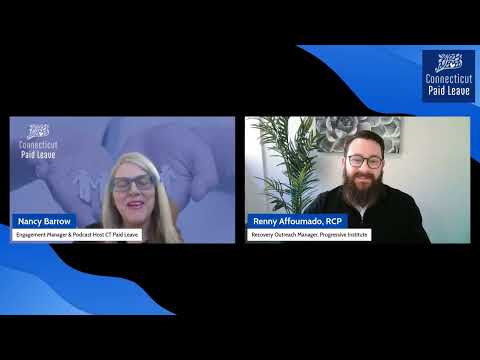
Nancy Barrow, engagement manager and podcast host for Connecticut Paid Leave, interviewed Renny Afamato, recovery outreach manager at the Progressive Institute, in a short ‘‘5 Minutes of Impact’’ podcast segment about the nonprofit’s intensive outpatient services.
Afamato said the Progressive Institute is “an intensive outpatient facility located in Shelton, Connecticut” that treats adults diagnosed with mental health or substance-use disorders. The program, he said, operates separate tracks for mental health and substance use and typically runs eight to 12 weeks, meeting three times a week with morning or evening sessions to fit clients’ schedules.
The institute’s clinical approach combines what Afamato described as evidence-based modalities, including dialectical behavioral therapy (DBT) and cognitive behavioral therapy (CBT), alongside mindfulness and meditation. He said the program also integrates medication-assisted treatment (MAT) and on-site medical and psychiatric providers to create personalized treatment pathways.
Afamato highlighted recovery coaching and an active alumni program that meets weekly to provide continuing support. He described step-down offerings—a Living Well group for mental health clients and a relapse-prevention group for substance-use clients—as part of a continuum of care. He also noted the use of complementary therapies such as sound healing, art therapy and eye movement desensitization and reprocessing (EMDR).
For referrals or more information, Afamato gave multiple contact options: the Progressive Institute website at progressive-institute.com, an in-person location at 2 Trap Falls in Shelton, Connecticut, and a phone number, (203) 816-6424. “If there is anybody that is in need…please reach out,” Afamato said, urging listeners to contact the program or their family members if they require support.
Looking ahead, Afamato said the institute’s priorities include expanding services to reach more people, enhancing therapeutic offerings and continuing to integrate innovative approaches to support recovery and mental well-being in the community.
Barrow closed the segment by thanking Afamato and directing listeners to CT Paid Leave’s podcast and website, ctpaidleave.org, for additional resources and a deeper dive into Connecticut paid leave.
The segment was a short informational interview; there were no motions, votes or formal actions reported.