Get Full Government Meeting Transcripts, Videos, & Alerts Forever!
Get email alerts on the Barriers Outreach topic
No spam. Unsubscribe anytime.
Panelists urge simple system changes and grassroots outreach to reduce barriers to father involvement
Summary
Panelists at an OEC webinar described practical barriers — from hospital intake forms that omit fathers to stereotyped outreach — and recommended small, actionable fixes and community-based approaches to increase father participation.
Panelists at the Office of Early Childhood webinar described operational barriers that they say keep fathers out of services, and they recommended practical, low-cost fixes for agencies and community partners.
Anthony Gay, director of fatherhood services at the Department of Children and Families, recounted hospital experiences where intake forms and procedures defaulted to mothers and omitted fields or signature lines for fathers. He said that on multiple postnatal forms he attempted to sign, "it has mother's name, child's name" with no place for a father's name — an omission he said can marginalize fathers at the outset of a child's life.
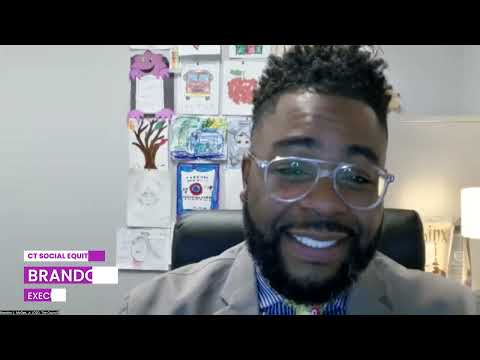
Josh Vaughn, an alumnus of OEC's parent cabinet, told the panel that many fathers are available and engaged but simply are not asked or notified. "A lot of times, it's an assumption that it's like, hey, I'll just call your wife," Vaughn said, urging institutions to change default practices and outreach language so fathers are explicitly invited.
Panelists also discussed racialized assumptions: Anthony Gay pushed back on media stereotypes that Black and Brown fathers "don't wanna be involved," and said research and his experience show otherwise. Abdul Rahman Ibn Mohammed described fatherhood monologues, prison workshops and community events that have engaged more than 1,000 participants and recommended outreach in familiar venues — barbershops, churches, grocery stores — rather than only formal institutional channels.
Local efforts were named as examples: a Waterbury initiative that partners with the mayor and local representatives to host father-friendly school events, health-and-wellness programs and periodic "talk back" sessions. Panelists also flagged men's health as a factor: they are planning health and wellness weekends and screenings so fathers can maintain the physical well-being needed for sustained involvement.
Panelists closed with three practical calls: contact a father today, be intentionally inclusive in outreach and do small, community-rooted activities that make father engagement visible and valued.