Get Full Government Meeting Transcripts, Videos, & Alerts Forever!
Get email alerts on the Wic topic
No spam. Unsubscribe anytime.
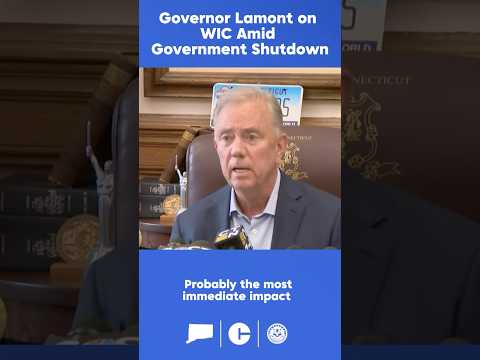
State official says Connecticut will backstop WIC to protect benefits for about 50,000 mothers
Summary
An unidentified speaker told attendees the state will use reserves to backstop the WIC (Women, Infants, and Children) program, assuring about 50,000 mothers that WIC benefits and cards will remain valid; funding details were not specified.
An unidentified speaker announced that the state will use its reserves to backstop the WIC program, saying the move is intended to ensure benefits for roughly 50,000 mothers continue amid ongoing pressures.
The speaker identified the program as being led by "Manisha and [the] Department of Public Health," and said, "We're gonna have to backstop that, given the reserves that we have as the state of Connecticut." The speaker added, "your WIC card will continue to be good," and said the government will not take the benefit away.
The WIC program — shorthand for Women, Infants, and Children — provides food support and formula to low-income mothers with infants and young children. The speaker characterized the program as a near-term focus and emphasized the state's intent to maintain benefits; however, the announcement did not include a specific funding amount, a formal vote, or a timeline for how the reserves will be used.
Manisha and the Department of Public Health were named as leading the effort; no additional staff titles or departmental officials were identified in the remarks. The statement reads as an assurance of executive support rather than a recorded legislative or administrative action: no motion, ordinance, or budget amendment was presented in the available transcript.
Next steps were not outlined in the remarks. Details about the size of the reserves to be used, the legal mechanism for tapping them, and any planned reporting or oversight were not specified in the transcript.