Higher education report: $32.6M in reductions; $35M research pilot and workforce investments prioritized
Loading...
Summary
Higher education chairs reported $32.6 million in reductions, set aside $16.6 million for performance funding, and highlighted priorities including $35 million for a research pilot, $7 million to expand technical college capacity and $3 million for Talent Ready Utah programs.
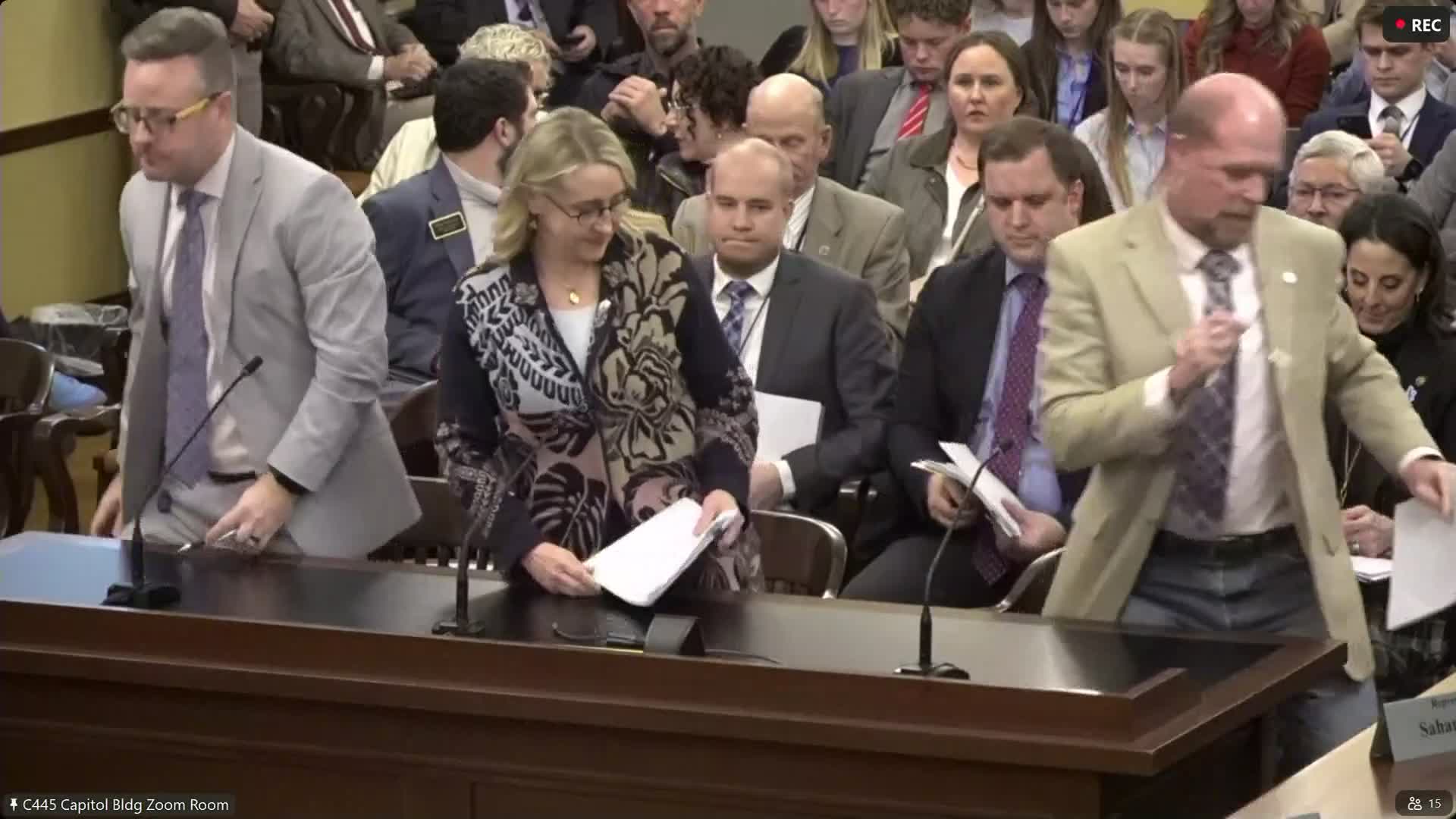
Leaders of the Higher Education Appropriations Subcommittee briefed the Executive Appropriations Committee on recommended reductions and high-priority investments for higher education.
The subcommittee told the committee it recommended $32,600,000 in reductions, primarily from out-of-state tuition waivers and performance funding accounts, on top of a multi-year reallocation process. The presenters said they also recommended setting aside $16,600,000 in performance funding for future appropriation.
Co-chair remarks highlighted a $35,000,000 research funding pilot program intended to spur research and commercialization at the state’s R1 universities, $3,000,000 for Talent Ready Utah accelerators focused on energy, artificial intelligence and deep tech workforce needs, $7,000,000 to expand technical college capacity to address wait lists, $1,500,000 for a Center of Civic Excellence at Utah State University and $1,000,000 to support Weber State University’s tuition differentiation for associate degree students.
On questions, Senator Kwan asked about returning reallocation funds to Utah State University; the co-chair confirmed a committee motion had been taken the prior day to return the remainder of USU’s reallocation funds. Representative Dailey-Provost asked whether matching for research grants would be limited to R01 grants; the co-chair said the bill under development would allow support for applied research across institutions and be agnostic to university type.
Next steps: the subcommittee indicated a bill on the research process would likely come to a vote within a few days and that grant topics would be approved by a board and then returned to the legislature.