Get Full Government Meeting Transcripts, Videos, & Alerts Forever!
Get email alerts on the Political Advertising topic
No spam. Unsubscribe anytime.
Committee approves HB112 revisions to modernize political advertising rules, add fines and due‑process language
Summary
The committee adopted the second substitute of HB112 to modernize political-advertising law—explicitly covering paid social-media ads, adjusting fines to one per advertisement and adding a process to be heard—and received mixed public comment from election administrators (support) and a candidate (concern about restrictions).
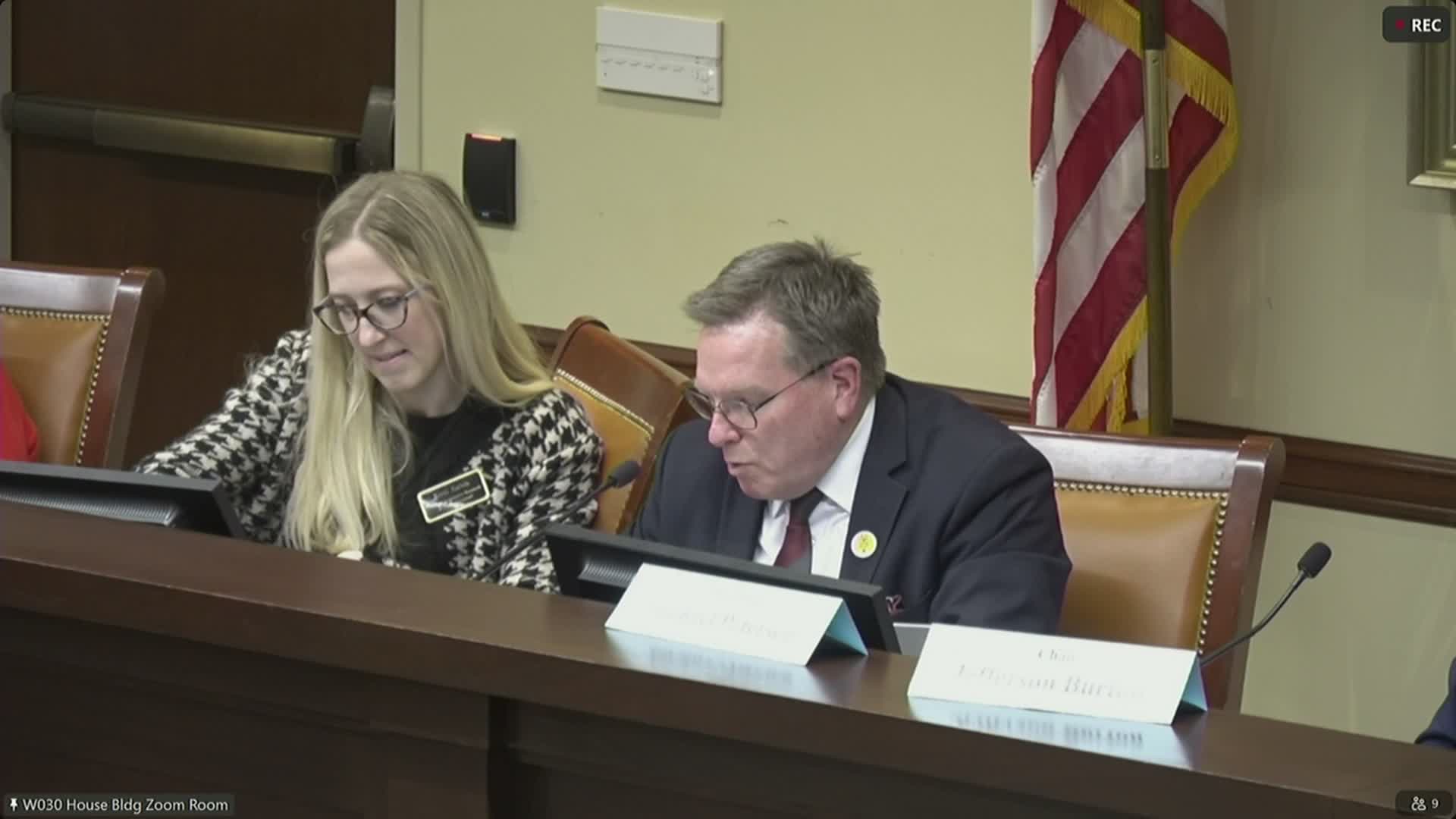
The Government Operations Committee adopted the second substitute of HB112 and voted to favorably recommend it to the House floor. The sponsor said the second substitute removes the earlier "two entities paying" language, clarifies advertisements must be paid, narrows the fine structure to one fine per advertisement and adds an opportunity-to-be-heard provision for accused parties.
What changed: The sponsor said the prior draft’s complexity centered on language about when multiple entities pay for an advertisement; that language was removed. The second substitute clarifies the definition of paid advertising, updates fines (which are imposed by the Lieutenant Governor's Office in other areas of code), and limits fines to one per advertisement so, for example, printing 1,000 mailers does not multiply the fine.
Public comment split: Salt Lake County Clerk Lanny Chapman, speaking for the Clerks Association, supported the bill as modernizing law, explicitly including social media, clarifying disclaimers and providing workable enforcement for election administrators. Seth Stewart (American Fork), speaking for himself as a candidate, urged caution, arguing the bill could chill grassroots speech and disproportionately affect smaller campaigns that lack traditional media access.
Committee action: A member moved to adopt the second substitute and then to favorably recommend HB112 to the House; the committee approved both motions by voice vote. Members asked about the effective date and whether advertisements created before that date would be covered; the sponsor said existing code governs ads before the effective date and offered to follow up before floor action.
Next steps: HB112 will go to the House with a favorable committee recommendation; the sponsor plans to provide clarifying answers about the effective-date application before floor consideration.