Get Full Government Meeting Transcripts, Videos, & Alerts Forever!
Committee advances bill to align Utah Medicaid and SNAP rules with federal changes, 6–3
Summary
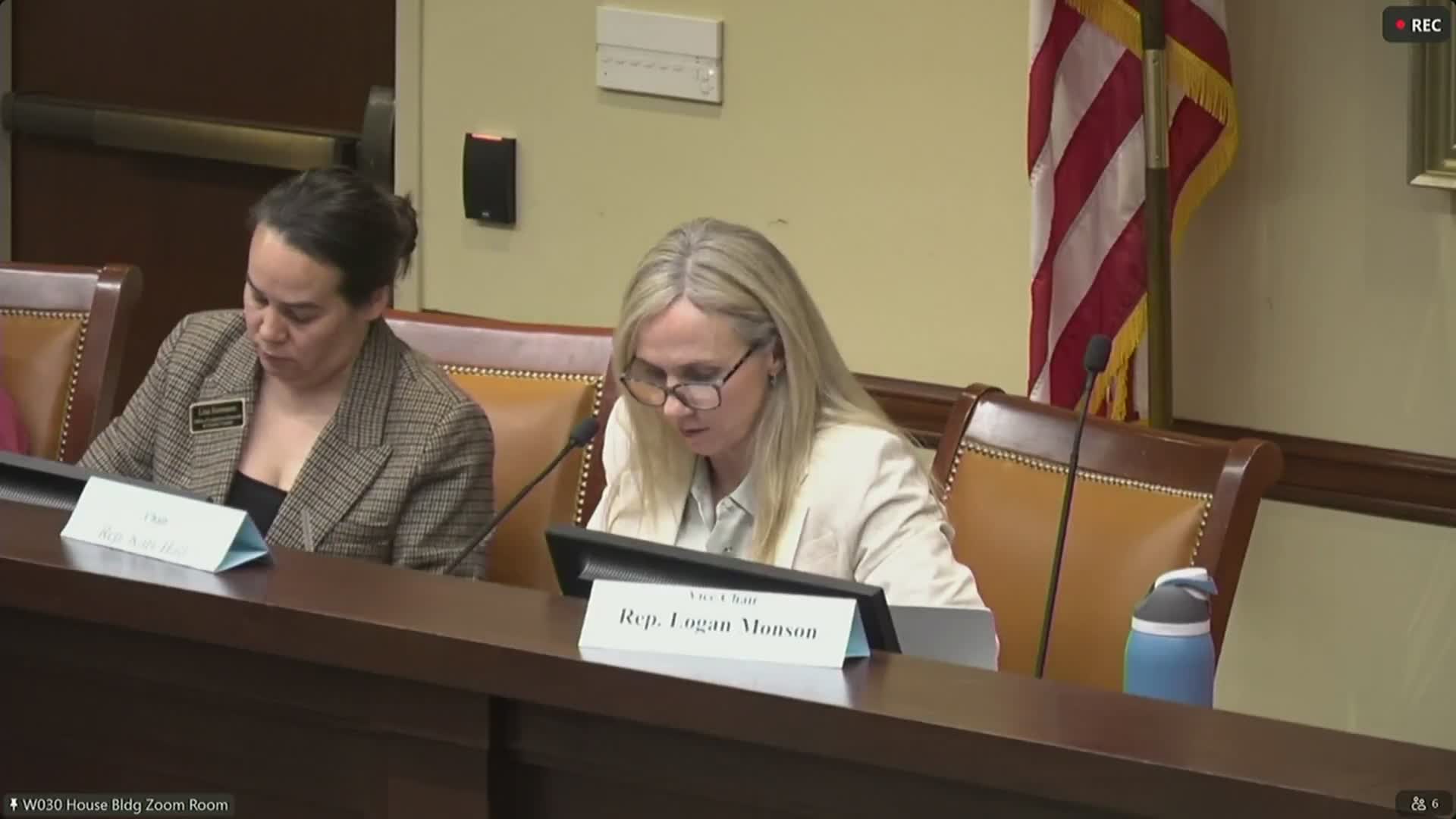
The Health and Human Services Committee voted 6–3 to forward HB 471, introduced by Representative Monson, which aligns state Medicaid and SNAP administration with federal changes (referred to in testimony as HR 1), strengthens eligibility verification, and adds oversight measures; stakeholders raised concerns about codifying federal law and state flexibility.
Representative Thomas Monson presented House Bill 471 to the Health and Human Services Committee as legislation to align Utah’s administration of Medicaid and SNAP with recent federal changes he and others referenced as "HR 1." Monson said the bill focuses on improving eligibility verification—confirming income, residency, identity and citizenship using reliable data sources—implementing work expectations for able-bodied adults where federal law permits, and strengthening oversight to prevent duplicate multi-state enrollments and remove deceased enrollees. "This bill does not remove eligibility…
Already have an account? Log in
Subscribe to keep reading
Unlock the rest of this article — and every article on Citizen Portal.
- Unlimited articles
- AI-powered breakdowns of topics, speakers, decisions, and budgets
- Instant alerts when your location has a new meeting
- Follow topics and more locations
- 1,000 AI Insights / month, plus AI Chat