
Committee backs substitute to let qualified attorneys and CPAs serve as occasional trustees, with unresolved oversight concerns
Get AI-powered insights, summaries, and transcripts
Subscribe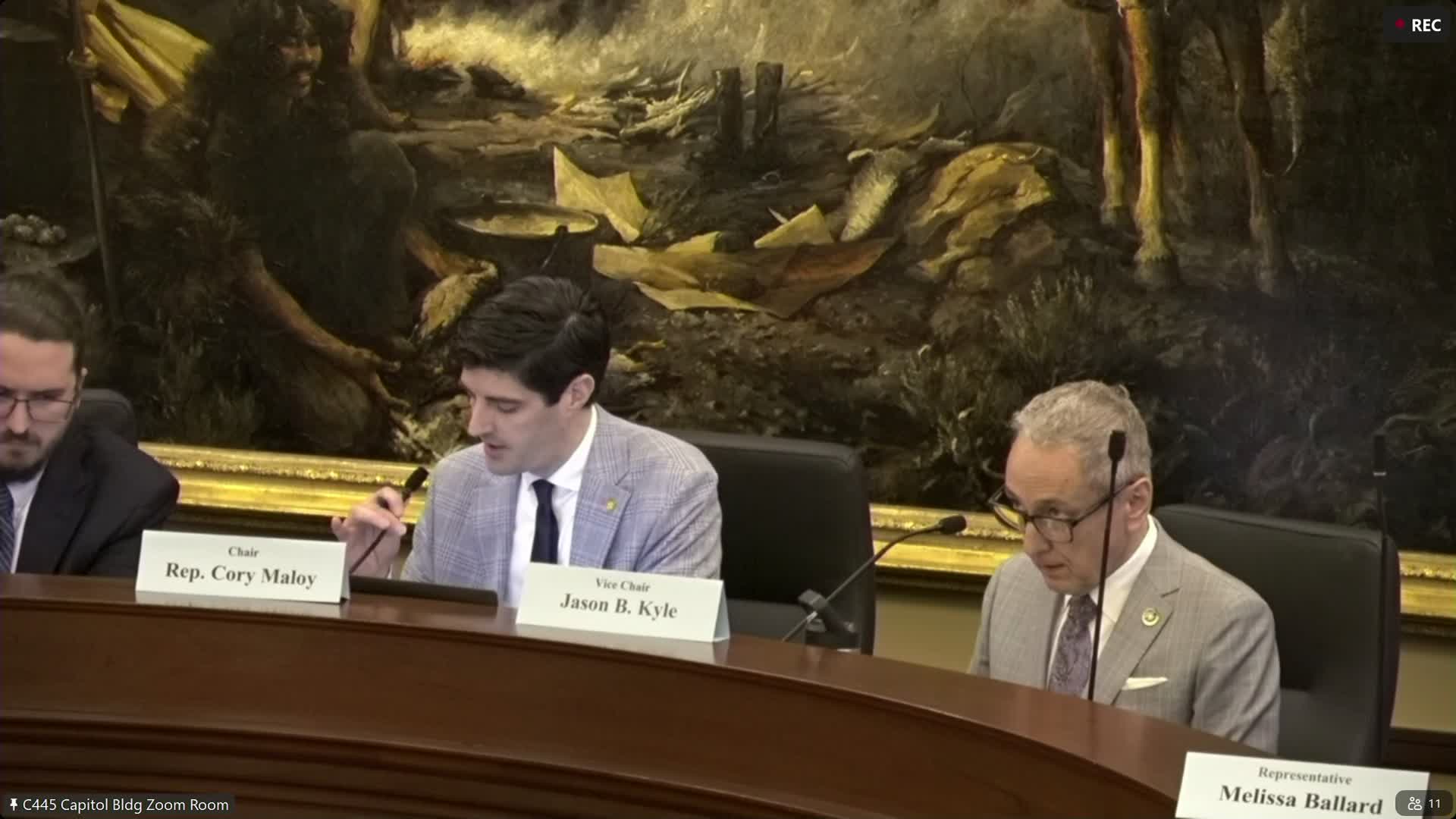
Summary
The committee adopted a substitute and recommended HB 176 favorably (8–5), clarifying ‘occasional’ trustee authority to allow individual attorneys and CPAs to serve as trustees in some cases while restricting advertising. Banks and the Utah Bankers Association opposed the bill citing consumer protection, bonding and capital concerns; sponsors pledged further stakeholder work.
Representative Loubet presented HB 176 to fill a gap in Utah trust law by permitting individual attorneys and CPAs (not firms) to act as trustees in certain limited circumstances without subjecting them to the full regulatory regime that governs institutional trust companies. The bill includes advertising restrictions and requires written informed consent when an attorney drafts the trust and will serve as trustee.
Banking-industry witnesses, including representatives of Bank of Utah and the Utah Bankers Association, urged caution. They argued that opening trustee authority without corresponding regulation, bonding, capital and exam oversight could reduce protections for beneficiaries, particularly vulnerable family members. John Krosman of Bank of Utah said the bill as drafted risks ‘‘unintended consequences’’ and opposed the substitution without additional guardrails.
Proponents—including estate attorneys who told personal stories of families unable to secure a trustee from banks—argued the change preserves access to trusted professionals for smaller or family‑centered trusts and can reduce fees and friction for certain clients. Representative Thurston and other supporters described situations where banks declined to serve as trustee and families successfully relied on trusted CPAs or attorneys on an occasional basis.
Committee action: lawmakers adopted the first substitute and then voted to recommend HB 176 (first substitute) favorably by roll call, 8–5. Several members said they expect continued stakeholder conversations to address oversight concerns.
What’s next: the bill moves to the floor as a committee‑recommended substitute; sponsors and opponents signaled ongoing negotiations on bonding, capital or activity limits if broader trustee authority is to be permitted.