Get Full Government Meeting Transcripts, Videos, & Alerts Forever!
Get email alerts on the Education topic
No spam. Unsubscribe anytime.
Utah Senate approves change to how minimum-basic school tax is handled, drawing criticism from districts
Summary
Senators passed SB 65 to shift minimum-basic tax receipts into a state special revenue fund to be swept and returned with interest; sponsor says local control and usage are unchanged while some education groups and rural districts oppose the change.
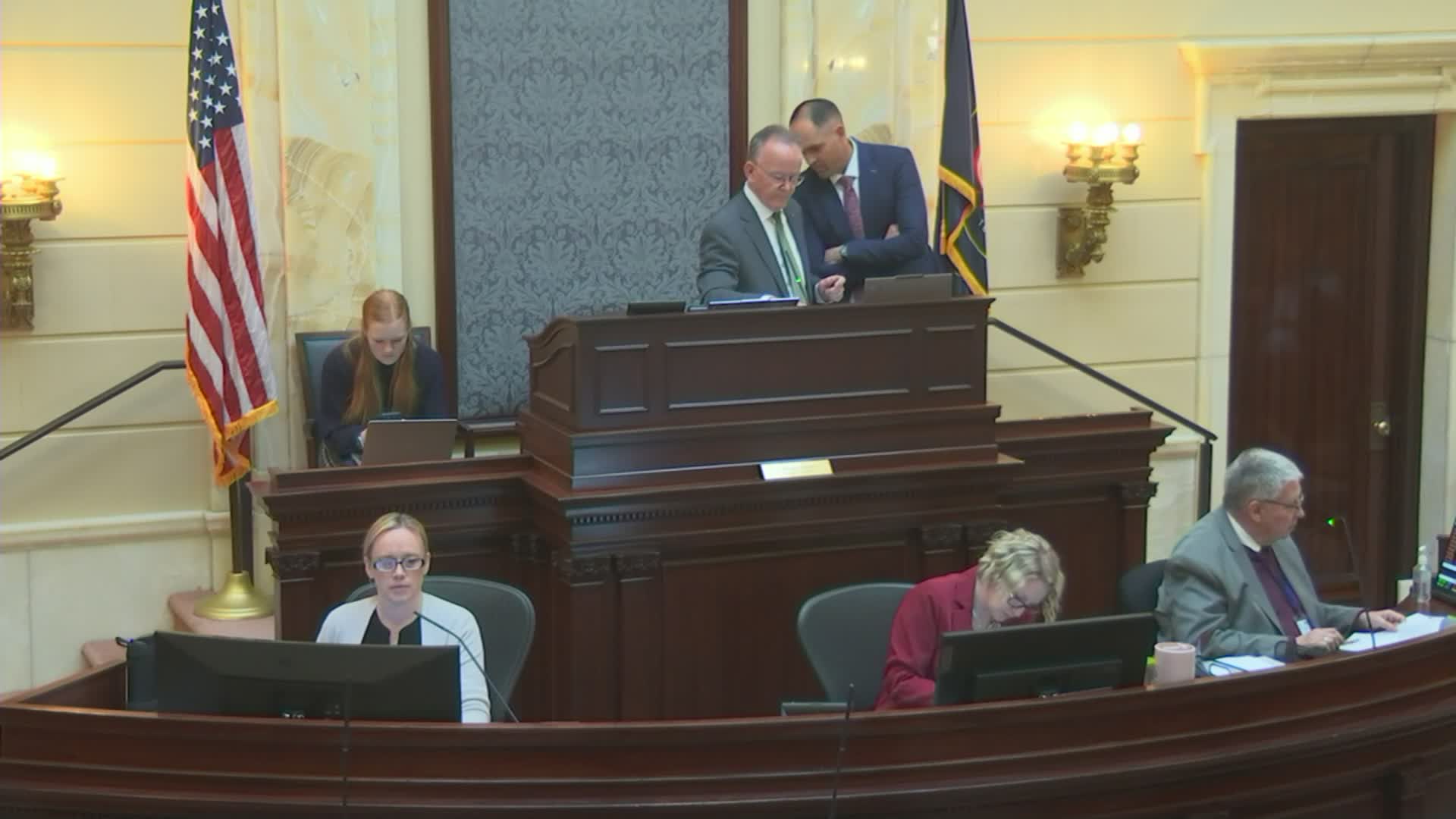
The Utah Senate on Monday passed Senate Bill 65, which changes how the state's minimum basic tax receipts are handled and how they are reported in school-district financial statements.
Senator Fillmore, sponsor of SB 65, said the bill redirects the flow of funds so the state receives certain local-levy collections first and then returns them to districts with interest, which he said yields a net financial benefit for 40 of 41 districts. "It shifts that so that instead of going directly to a school district, it would come first to the state, and then with interest be paid back to school districts on the exact same basis," Fillmore said on the floor.
Opponents warned the change could weaken local control or create confusion around reporting. Senator Owens asked whether the shift would move power away from local boards; Fillmore responded that local boards will continue to "receive the same amount of money on the same time frame and to be able to allocate that money however they determine is best at their local school district." Senator Riebe said no school district supported the bill and named PTA and Utah Rural Schools Association opposition.
Critics described the bill as part of a trend of interventionist measures affecting schools. Sponsor Fillmore said the change provides budgetary flexibility at the state level and protects school funding while enabling the Legislature to address other statewide priorities.
After debate and several floor explanations, the Senate voted and the clerk reported passage; the bill will be sent to the House for consideration.
Next steps: SB 65 will proceed to the House; implementation details, reporting changes and any fiscal notes will be examined in subsequent committee work and agency guidance if enacted.