
Committee approves DFCM construction reforms, programming‑before‑funding requirement
Get AI-powered insights, summaries, and transcripts
Subscribe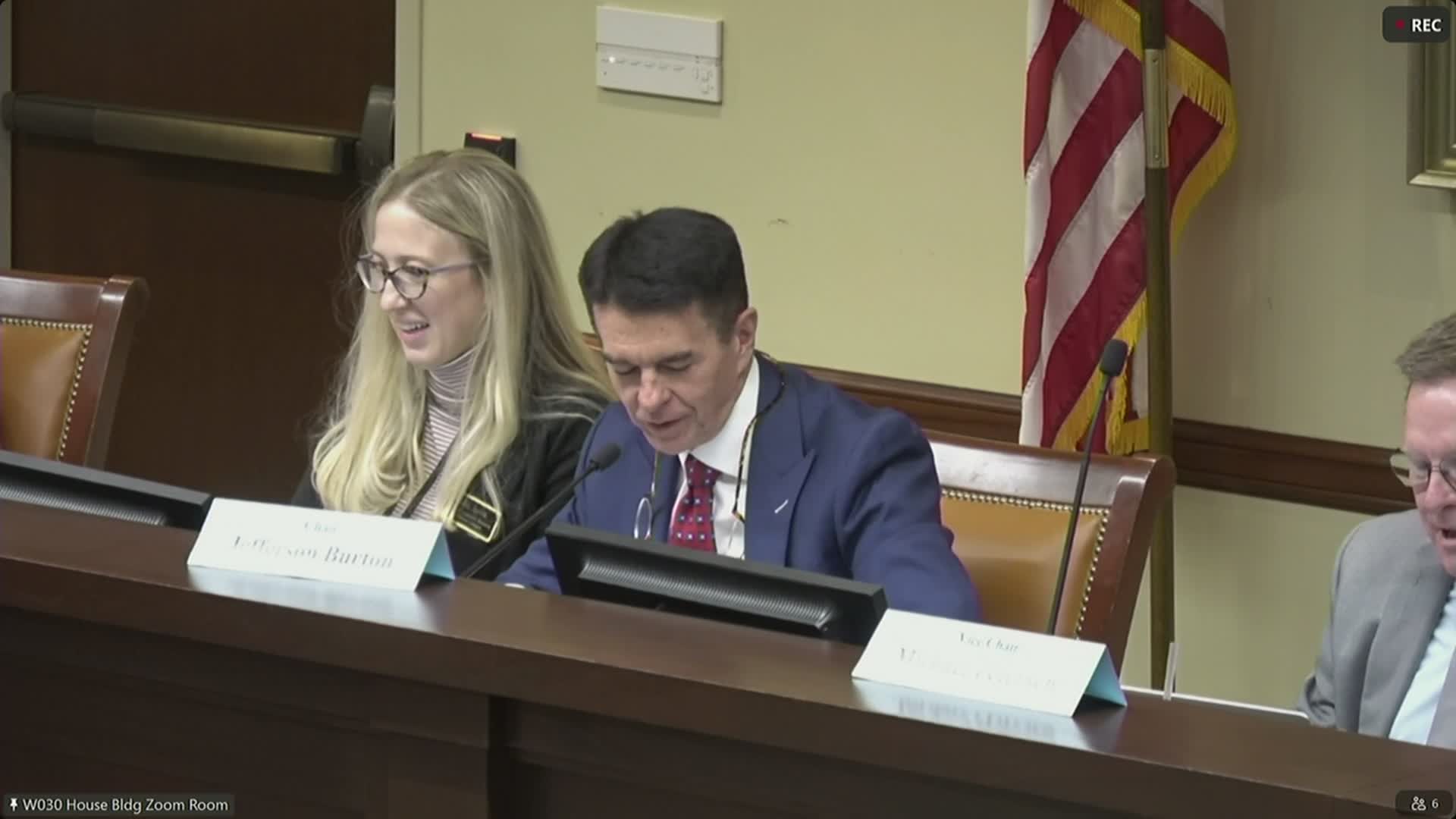
Summary
Lawmakers unanimously passed second substitute HB 508 out of committee, advancing measures intended to reduce construction cost growth: programming requirements before funding, higher agency self‑build thresholds, clearer contingency-account rules, and owner incentives for savings.
Representative Brooks presented a broad package of changes to state facilities and construction management in second substitute HB 508, describing a months‑long effort with the Division of Facilities and Construction Management (DFCM) and the governor’s office. He said the bill requires agencies to complete programming (defining square footage and major building components) before asking for construction funds, raises the threshold for agency self‑build projects from $100,000 to $1,500,000 (with a lower $1,000,000 threshold for community and technical colleges), clarifies contingency and cost‑escalation buckets, and creates incentives that allow owners to retain up to 50% of verified savings at the director’s discretion.
Brooks argued the programming‑first approach will reduce uncertainty and lead to better cost estimates: "Before they come in and ask for money, they need to have the program done...we have a really good cost estimate of what we're building because we actually know what we're building." Committee members probed whether the higher self‑build threshold would increase unmanaged projects and whether programming requirements themselves could raise costs. Brooks and DFCM supporters said the MOU process provides oversight and that detailed programming tends to lower final costs by reducing scope uncertainty.
Representative Malloy moved to adopt the second substitute and then moved a favorable recommendation; the committee adopted the substitute and passed HB 508 out of committee by unanimous voice vote.
The bill includes multiple technical changes intended to increase transparency of contingency funds, expand bidding opportunities to lower costs, and require annual reporting on reallocation or contingency use so the Legislature can track funds moving into or out of DFCM buckets.