
Committee hears bills on assisted‑living rate‑increase hearings and extending virtual monitoring protections
Get AI-powered insights, summaries, and transcripts
Subscribe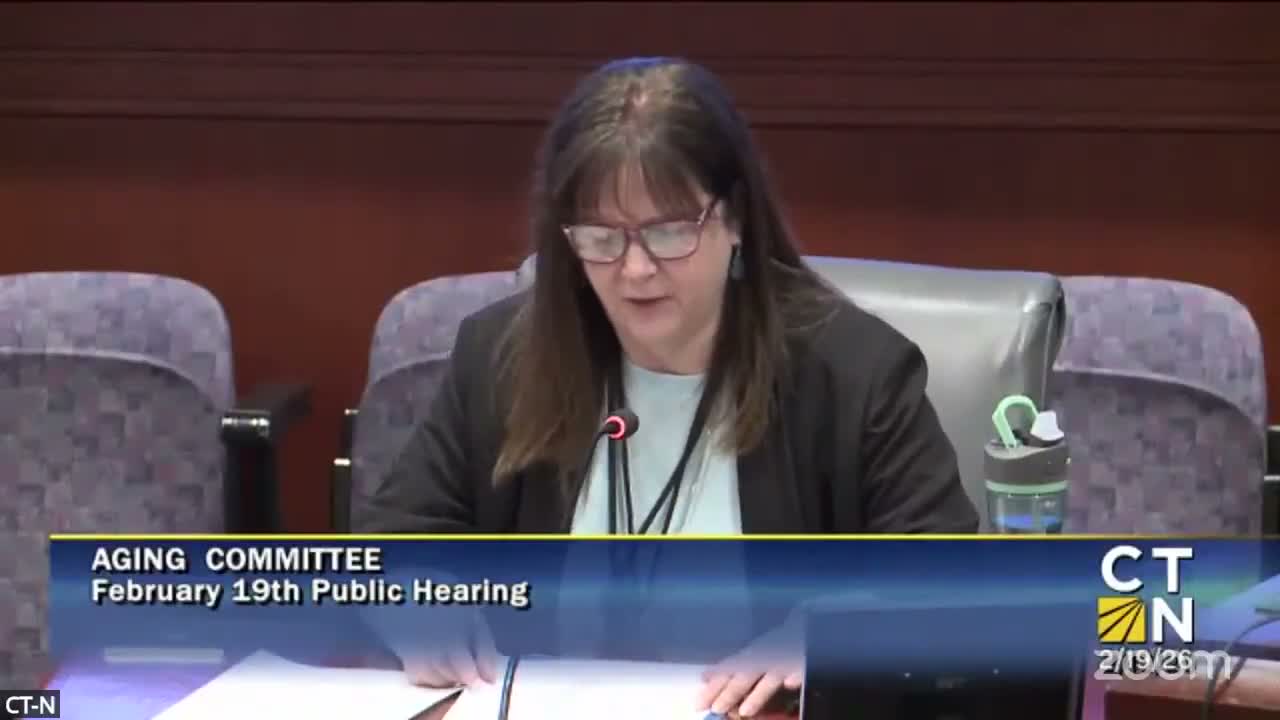
Summary
Witnesses backed a proposal for public hearings and notice before certain assisted‑living rate increases and urged extending virtual‑visitation and monitoring protections to residential care homes, while industry groups asked for reimbursement and language changes recognizing differences between residential care homes and nursing homes.
Advocates and the Long‑Term Care Ombudsman's office urged the Aging Committee to approve measures that increase consumer protections in assisted living and residential care homes.
Marie Painter, ombudsman, and other witnesses said facilities sometimes obstruct cameras or otherwise prevent residents from using technology that permits virtual visitation and monitoring, and they recommended civil penalties for tampering or obstructing lawful use by residents. "We've seen as much as 40% rent go up, and people can't plan for that," Painter said, arguing rate increases can destabilize residents' finances and hasten Medicaid entry.
Mag Morelli of LeadingAge Connecticut said her group would not oppose extending virtual monitoring rights to residential care homes, but stressed that residential care homes (RCHs) differ from nursing homes in licensing and funding and urged revisions to reimbursement language so the bill does not impose nursing‑home infrastructure requirements on RCHs. AARP, area agencies and advocates supported adding penalties for tampering and clearer notice for residents and families.
Senate Bill 123, which would require public hearings for certain assisted‑living rate increases, was promoted as a transparency measure so residents and families are not surprised by sudden rate hikes. Committee members asked staff to refine language that balances consumer notice with providers' ability to operate and to ensure penalties and reimbursement language reflect facility types.
The committee took no vote at the hearing and requested technical edits and stakeholder follow‑up.