Senate advances comprehensive K‑12 language and literacy package to require screenings, IRPs and teacher competency
Loading...
Summary
Senate File 59 would require district language and literacy plans, universal screeners and Individualized Reading Plans for students struggling to read, add professional development requirements and change teacher licensure standards; committee amendments were adopted and the package was reported favorably.
The Senate Committee of the Whole reported a broad K‑12 language and literacy package (Senate File 59) after floor debate and a series of committee‑level amendments. The bill mandates district literacy plans, routine screening and diagnostic assessments, individualized reading plans (IRPs) for students at risk, evidence‑based interventions, and professional development linked to roles in the district.
Sponsor Sen. Rothfuss, who led the interim work group, said the bill creates a statewide structure so “each district shall adopt kindergarten through K‑twelve literacy proficiency and competency programs and standards,” and sets screening cadence (universal screeners three times a year for K‑3, dyslexia screeners annually in early grades) and reporting requirements for district performance.
Why it matters: Supporters argued the bill consolidates decades of scattered policy into a uniform framework—adding monitoring, required IRPs within 30 calendar days and public reporting on district performance—aimed at catching reading difficulties earlier and providing evidence‑based interventions. Opponents cautioned about concentrating power in the State Superintendent’s rulemaking authority, variability in district capacity to implement the new requirements, and the adequacy of enforcement mechanisms.
Key provisions: The bill requires districts to adopt multi‑tiered systems of support (tier 1 classroom instruction through tier 3 intensive individualized instruction), school‑level professional development appropriate to roles, and PTSB (Professional Teaching Standards Board) standards tying literacy competency to teacher licensure timelines. Committee of the Whole amendments clarified professional development scope, pluralized reading specialist endorsements and confirmed that federal or other funds may be used to implement program requirements.
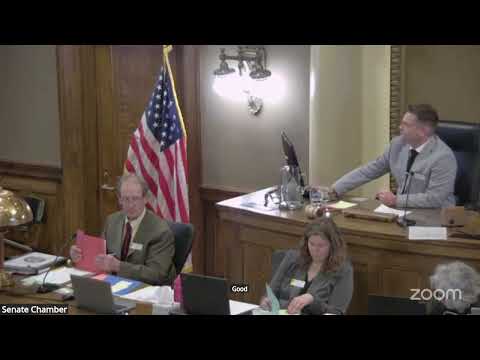
Floor action: After debate and three committee‑of‑the‑whole amendments, the Committee of the Whole reported SF59 with a due‑pass recommendation. Sponsors and proponents urged further refinement but said the bill represents a major, evidence‑based step to improve statewide literacy outcomes.
Next steps: SF59 will proceed in the Senate for further readings and potential technical amendments arising from the rule‑making and funding details.