
Resident warns of failing STEP systems and says as‑built drawings show installations differ from permits
Get AI-powered insights, summaries, and transcripts
Sign Up Free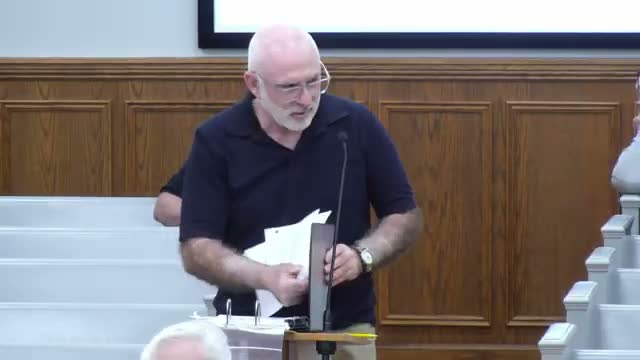
Summary
In public comment at the Feb. 20 meeting, resident Ken Young said Open Records Act requests uncovered as‑built drawings that contradict what was attested on operating permits, describing the drawings as a 'smoking gun' and urging corrective action; he also noted a six‑month moratorium on new STEP approvals by the local water authority.
During the public‑comment period at the Feb. 20 meeting, Ken Young (1221 Chop Springs Road) urged action on failing STEP (septic) systems and described recent records and regulatory developments.
Young said the local water authority imposed a six‑month moratorium on approving new STEP systems; he added that the moratorium is set to end in mid‑April. He said the state legislature is considering a bill to prevent similar problems elsewhere, but he could not predict the bill’s final form or whether it will pass.
Young told commissioners that after a lengthy Open Records Act request, Tennessee Department of Environment and Conservation (TDEC) legal counsel agreed to release as‑built drawings for certain systems. He said his comparison of the as‑built drawings, water‑authority operating permits and contractor claims showed that in many cases systems were not built as attested and that he views the drawings as evidence of a 'missing drip area' issue. He characterized the mismatch between permit claims and physical installation as the "smoking gun" and urged that the problems can be solved.
Young closed by inviting questions and offering to answer them; no substantive rebuttal or additional documentation was introduced during the meeting. His remarks noted a policy/moratorium and potential state legislative attention and therefore may be of interest to residents and regulators as follow‑up actions occur.
What happens next: Young said the moratorium ends in mid‑April and that legislative work could take until 2027 to take effect; commissioners and staff did not record further action at the meeting to follow up on Young's claims during the public comment period.