
Residents raise PFAS and tap-water concerns as NJ DEP visits Orange
Get AI-powered insights, summaries, and transcripts
Sign Up Free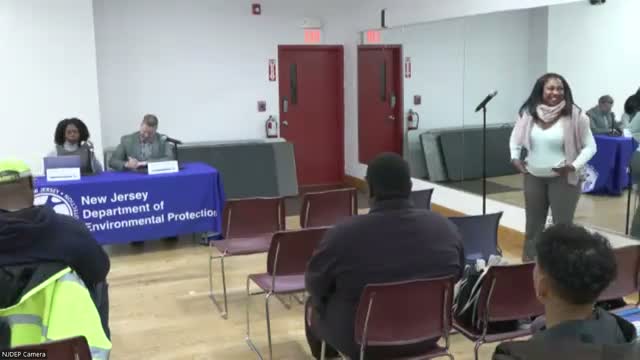
Summary
Residents in Orange and East Orange told NJ DEP officials that higher water bills and earlier 'boil-water' notices left them buying bottled water; DEP pointed to PFAS treatment needs, pointed residents to Drinking Water Watch and offered follow-up on testing and rate impacts.
Candace, who opened the Department of Environmental Protection Office of Environmental Justice session in Orange, said the meeting was intended to gather residents’ experiences with local water and other environmental issues. Several residents described sharp increases in household water costs alongside notices that had previously advised boiling tap water.
Alicia Rodriguez, joining online, said her household had been told not to use tap water and that she now spends hundreds of dollars buying bottled water and filters. Commissioner Sean Lauterred responded that DEP is not aware of a current boil-water advisory in Orange and recommended the public use the DEP’s Drinking Water Watch tool to view up-to-date test results for their water system. He said: “When there’s a temporary loss in pressure in a water main . . . the law requires the water system to send you a notice,” and clarified such advisories are typically short-term. (Candace; Sean Lauterred)
DEP staff explained a separate class of chronic contamination — PFAS, sometimes called 'forever chemicals' — can require permanent treatment upgrades that are costly and can lead to higher water rates. The commissioner said this is why some systems must invest in additional treatment and that the state is providing funding to lower the cost of those upgrades, but some rate increases may be unavoidable.
Residents also reported brown water and distributed filters during a past outreach effort; DEP offered to walk residents through Drinking Water Watch in a follow-up training and to connect people with the Department of Health for additional health-related questions. DEP advised residents to submit addresses and specific incidents so staff can check system records and pursue targeted follow-up. The agency provided the email environmentaljustice@dep.nj.gov for follow-up and said it will include links and resources in the meeting notes.