Manhattan CB2 backs landmarks resolution opposing 375 Lafayette as proposed
Loading...
Summary
Manhattan Community Board 2 voted to adopt a Landmarks Committee resolution opposing the as‑designed 375 Lafayette development, citing scale, blank facades, and a failure to translate zoning bonuses into more housing. The resolution passed 24‑10 with 1 recusal and will be sent to city agencies.
Manhattan Community Board 2 on Tuesday adopted a resolution from its Landmarks Committee opposing the proposed 19‑story building at 375 Lafayette Street unless its bulk, materials and unit mix are substantially revised.
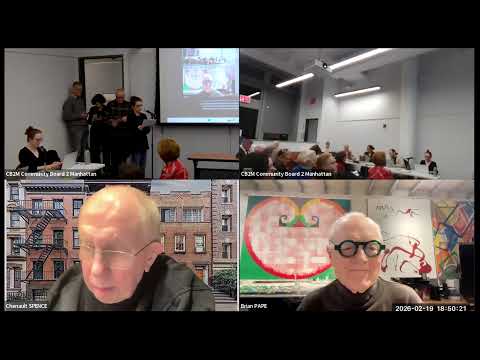
The full board voted 24 in favor, 10 against and with one recusal after more than an hour of public comment that divided residents and building‑industry advocates. "I urge the board to adopt as written all 3 of the applications that are located in the NoHo Historic District Extension," Rachel Morrow, a longtime Great Jones Street resident, told the board. Landmarks Committee chair Susan Gammie told members the case was notable because "this is one of the first applications to come to us after the expansions of the zoning."
Opponents said the proposal would overwhelm the NoHo Historic District. Resident Yuval Leon told the board the proposed tower—"19 floors and 200 feet tall"—would "visually overwhelm the block" and be out of character with the neighboring five‑ and six‑story buildings. Local preservation advocates and neighbors urged the board to insist on design changes, treated facades, and a meaningful increase in housing units tied to the additional floor‑area the rezoning permits.
Supporters argued the project would provide housing, including permanently affordable units. A representative of the New York Building Congress said the proposal "will add more than 200 new apartments including approximately 60 permanently affordable homes on‑site" and called the site an appropriate location near transit. Other supporters told the board that housing near jobs is a priority and that the zoning changes were made to allow development in precisely these locations.
The adopted resolution opposes the application "unless meaningful changes are made to reduce actual bulk," asks that facades be treated to reference historic design principles and demands that the developer revise the plan so the extra floor‑area yields more housing units rather than merely larger units. The resolution will be transmitted to the Landmarks Preservation Commission and other city agencies as the board's formal position.
Next steps: The board's position is advisory and will be one input to the LPC and other city reviewers. The developer may return with revised designs or seek to proceed with the application; board members said they expect the debate to continue at the LPC and in subsequent land‑use hearings.