University of Baltimore shifts strategy to graduate‑oriented enrollment, seeks capital investment
Loading...
Summary
University of Baltimore officials said the campus is pivoting to a graduate‑and‑professional focus after enrollment declines, highlighted successes in the law school and dual‑enrollment, and urged capital funding to replace aging academic facilities.
Department of Legislative Services analyst Sarah Baker told the subcommittee that after nine years of enrollment decline the University of Baltimore’s fall 2024 headcount rose by 131 students because dual enrollments are now counted; graduate enrollment now makes up a majority of the student body. DLS flagged continuing issues: lower undergraduate graduation rates for cohorts affected by the pandemic and a long‑term decline in degree production.
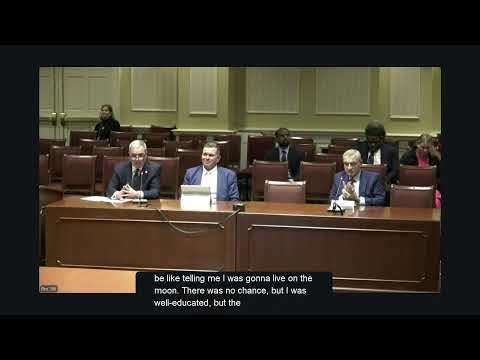
UBalt President Kurt Schmoke told senators the institution is pursuing a deliberate strategy to remain a leader in graduate and professional education while retaining niche undergraduate programs; he said, "Our law school is doing, just great." Schmoke highlighted unique partnerships — including hosting the Baltimore City Police Academy on campus and delivering academic programs inside Jessup Correctional Institution — as examples of UBalt’s civic engagement and program differentiation.
On capital needs, Schmoke described the academic center as an assemblage of three outdated buildings and asked for support to replace it with a smaller, architecturally appropriate academic center to attract students and faculty.
DLS recommended concurrence with the governor’s FY27 allowance for UBalt and asked the president to comment on strategies to stabilize enrollment, raise retention and narrow achievement gaps for African American students.
The committee did not take action on UBalt’s budget at the hearing; senators thanked university leaders and requested follow‑up questions on scholarships and other program specifics during a subsequent session.