BBMR reports $19.6M Q2 surplus but flags $28.5M expenditure deficit driven by overtime and several agency shortfalls
Loading...
Summary
The city's Bureau of Budget and Management Research reported a $19.6 million general-fund surplus in the second-quarter forecast, driven by higher income and property tax receipts, but also a projected $28.5 million expenditure deficit largely tied to overtime and recently ratified contracts in public safety departments; committee questioned near-term mitigation steps and data for traffic cameras and tipping fees.
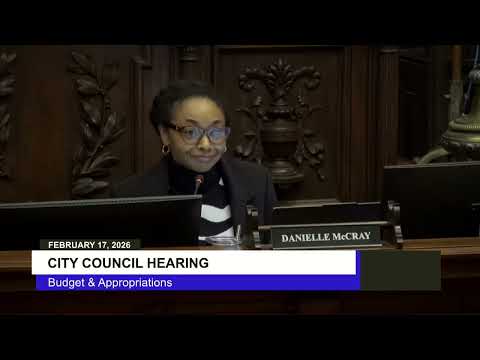
The Budget & Appropriations Committee received its quarterly fiscal update on Feb. 23 from Laura Larson, director of the Bureau of Budget and Management Research, who reported a projected $19.6 million general-fund surplus for fiscal 2026 (the department noted that storm-related costs were not yet incorporated).
Larson said stronger-than-expected income-tax receipts (projected at just under $555 million, roughly $61 million above budget) and improved property-tax projections contributed to the positive revenue outlook. She noted an improved assessed base driven by large developments and utility reassessments. However, BBMR also reported a $28.5 million projected expenditure deficit driven mainly by personnel costs and overtime associated with recently ratified union contracts.
Larson and agency representatives described key agency positions:
- Fire: Projected overtime deficit at roughly $32.2 million; department expects academy classes (an EMS class in April and firefighter class in May) to help reduce overtime pressure but told the committee the overtime trend is unlikely to reverse before fiscal year end without service reductions or higher budgeted staffing. Fire representatives said they are implementing an overtime-monitoring dashboard, internal audits and partnerships to promote paramedic training to reduce overtime costs.
- Police: Projected deficit about $19 million tied to overtime and contract terms.
- Traffic camera program: The automated enforcement program is projecting a $4.6 million deficit driven by speed-camera revenue shortfalls; BBMR projected roughly $10 million in automated-enforcement revenue against an estimated $16.5 million program cost. Philip Mellerson, DOT's automated enforcement director, said camera relocations are guided by crash and speed data and pledged to provide location-by-location citation counts for the past year to the committee by the end of the week.
- Tipping fees: After landfill tipping-rate increases, tonnage fell and revenue projections decreased about $4 million; BBMR said the decline was concentrated among large haulers shifting disposal.
The committee pressed for operational mitigation plans, timelines and data. Council members asked when fire overtime would decline (agency expects relief once academy classes graduate later in the fiscal year) and requested addressable data and multi-year projections for revenue and expenditure scenarios. DOT committed to provide camera issuance data by location by week'end.
Planning and schools presentations followed: the Planning Department previewed a planned CapitalStat program to track capital-project schedules, budgets and grant status; Baltimore City Public Schools reported Q2 revenues and expenditures were on pace and said central office supported schools during winter storms.
Next steps: BBMR will provide requested camera and overtime breakdowns and follow up on winter-storm cost accounting; the committee may use this data during FY27 budget deliberations.