
Committee tables bill that would let DOT suspend permits for utilities that fall behind relocation schedules
Get AI-powered insights, summaries, and transcripts
Subscribe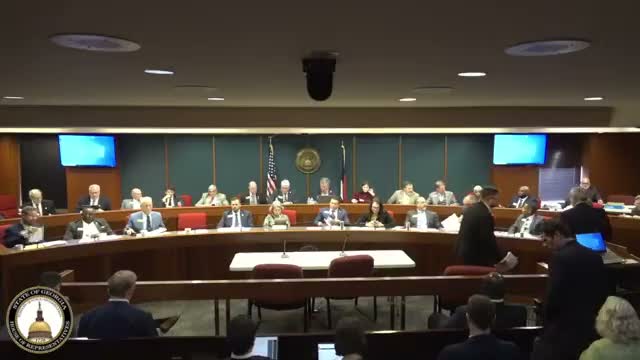
Summary
House Bill 1342, which would require utility relocation schedules to align with DOT contracts and allow permit suspension or denial if utilities fall more than 20% behind, drew opposition from utilities and contractors and was tabled for further stakeholder work.
House Bill 1342, sponsored by Representative Lauren McDonald, would require utility relocation schedules to be coordinated with Department of Transportation contracts and gives DOT authority to suspend or deny permits for utilities that fall more than 20% behind an approved work plan. The substitute removes existing mediation‑board provisions and assigns responsibility for documented delay costs that are within a utility's control.
McDonald told the committee the measure aims to reduce delays and taxpayer costs when misaligned utility schedules extend construction timelines. "When projects are delayed, ... the contractor or the utility company that ultimately pays the price is the taxpayers of Georgia," he said, arguing the bill would bring "accountability, structure and clear timelines to this process."
Nick Fields, administrator for GDOT's Office of Utilities, explained the bill's practical effect could include denying or suspending new permitting requests introduced into the right of way and distinguished project permits from routine permits. Fields outlined GDOT's current escalation process — internal escalation, multi‑party escalation with subject‑matter experts, and a DOT ruling on schedule adjustments — and said monetary claims could previously be taken to a mediation panel but the substitute limits that pathway for some claims.
Multiple industry witnesses and committee members urged caution. Stephanie Gossman of Georgia Power said the bill "strips the beneficial mediation process" used to provide neutral oversight and noted Georgia Power completes roughly 95% of its projects on schedule under current review processes. Representatives of Georgia EMC, AT&T and several contractors described longstanding coordination mechanisms but warned that the bill, as written, would be punitive to utilities and could increase costs for ratepayers and project owners.
After extended questions and testimony the committee voted to table House Bill 1342 and directed sponsors to continue stakeholder discussions.