
Committee backs bill to codify protections against COVID vaccine mandates
Get AI-powered insights, summaries, and transcripts
Subscribe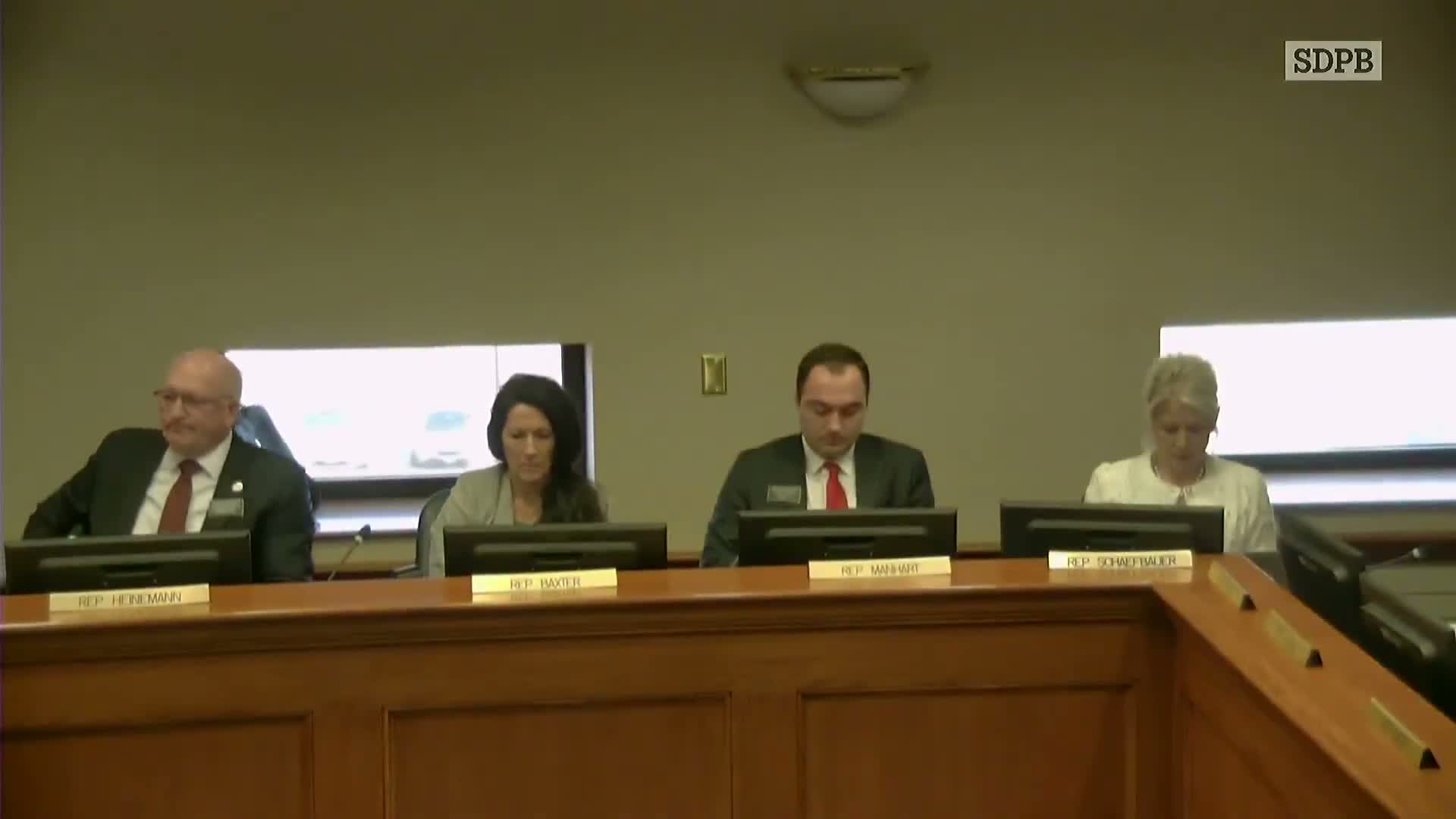
Summary
The House Health & Human Services Committee voted to advance House Bill 12‑10 to the floor; sponsor Representative Garcia said the measure would codify protections beyond executive orders, while health systems warned it would harm patient safety and private employers.
Pierre — Members of the House Health & Human Services Committee voted 8‑5 to send House Bill 12‑10, which would codify limits on COVID‑19 vaccine requirements, to the House floor with a due‑pass recommendation.
Representative Garcia, the bill’s sponsor, said HB 12‑10 would turn existing executive‑order protections into permanent statutory rights, preventing public or private entities from requiring the COVID‑19 vaccine as a condition of employment, enrollment or receipt of services. “This bill protects employees and students by not requiring a COVID‑19 vaccine to keep a job in the state agency or private organization,” he told the committee.
Supporters gave personal testimony describing what they called lasting adverse effects after COVID vaccination and asked for permanent legal safeguards. Many witnesses described family‑level harms and urged passage of the bill to prevent similar mandates in the future.
Opponents including physician Dan Heinemann, hospital and long‑term care associations, chambers and pharmacies said the bill would curtail health‑care providers’ ability to protect medically fragile patients and would impose criminal or civil penalties on employers who adopt policies to protect patients and staff. They noted South Dakota did not face the same mass termination disputes reported in other states and argued employers already have tools and exemptions.
Committee discussion touched on executive orders, the state’s previous pandemic response and whether the bill would create unintended conflicts with federal requirements. After debate, the committee adopted a due‑pass recommendation. The bill moves to the full House for further action.