Get Full Government Meeting Transcripts, Videos, & Alerts Forever!
House approves sentencing‑transparency measure combining HB 2637 and HB 3155 after divided debate
Summary
A House committee substitute combining measures on sentencing clarity passed after debate about whether it increases mandatory minimums; supporters said it provides victims and communities clearer information about parole eligibility and time served.
The House adopted a committee substitute for measures affecting sentencing transparency (House Bills 2637 and 3155) and passed the combined measure on Feb. 18 by a recorded vote of 102 yeas, 45 nays, and 2 present.
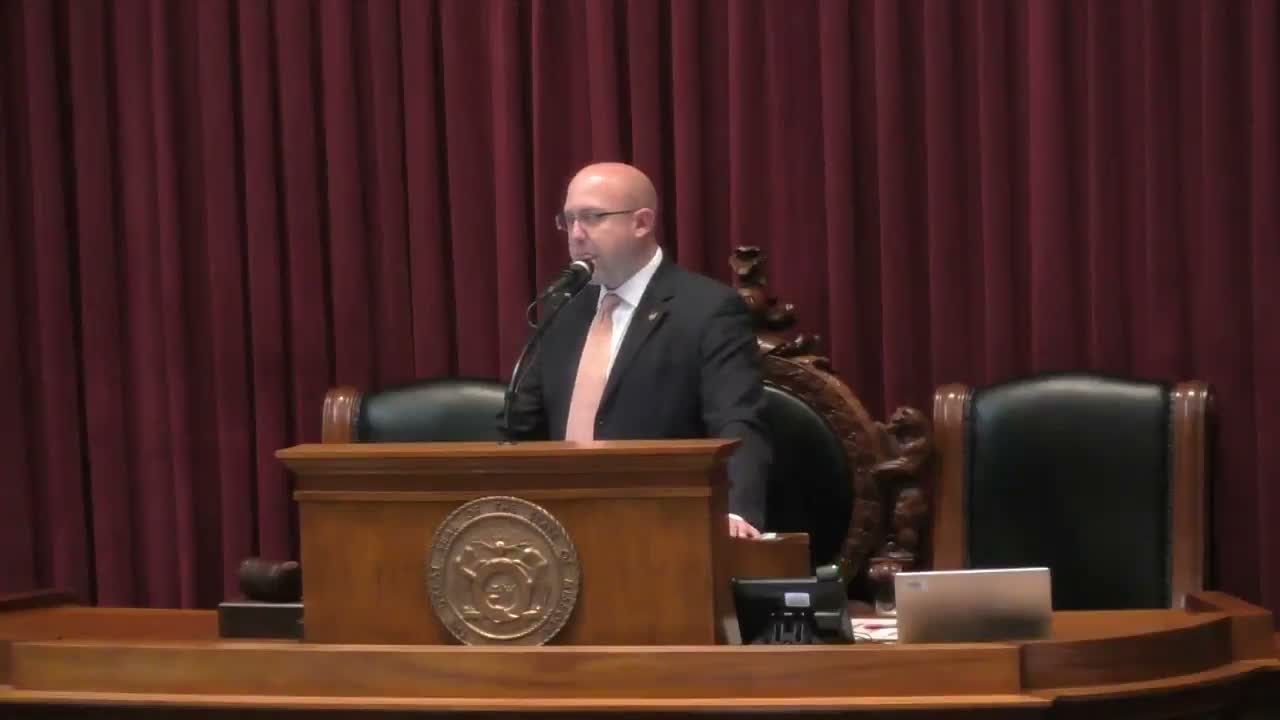
The Gentleman from Webster, sponsor of the committee substitute, said the bill creates clarity for judges, victims and…
Already have an account? Log in
Subscribe to keep reading
Unlock the rest of this article — and every article on Citizen Portal.
- Unlimited articles
- AI-powered breakdowns of topics, speakers, decisions, and budgets
- Instant alerts when your location has a new meeting
- Follow topics and more locations
- 1,000 AI Insights / month, plus AI Chat