Get AI Briefings, Transcripts & Alerts on Local & National Government Meetings — Forever.
House adopts wide property‑tax reform substitute with assessment caps, short‑term rental protections and ballot‑language add‑ons
Loading...
Summary
House committee substitute for HB 21‑78 — amended on the floor to include a 15% cap/credit on individual assessment growth, protections against reclassifying short‑term rentals as commercial, and expanded taxpayer notice and appeal provisions — was perfected and printed after heated floor debate and multiple adopted amendments.
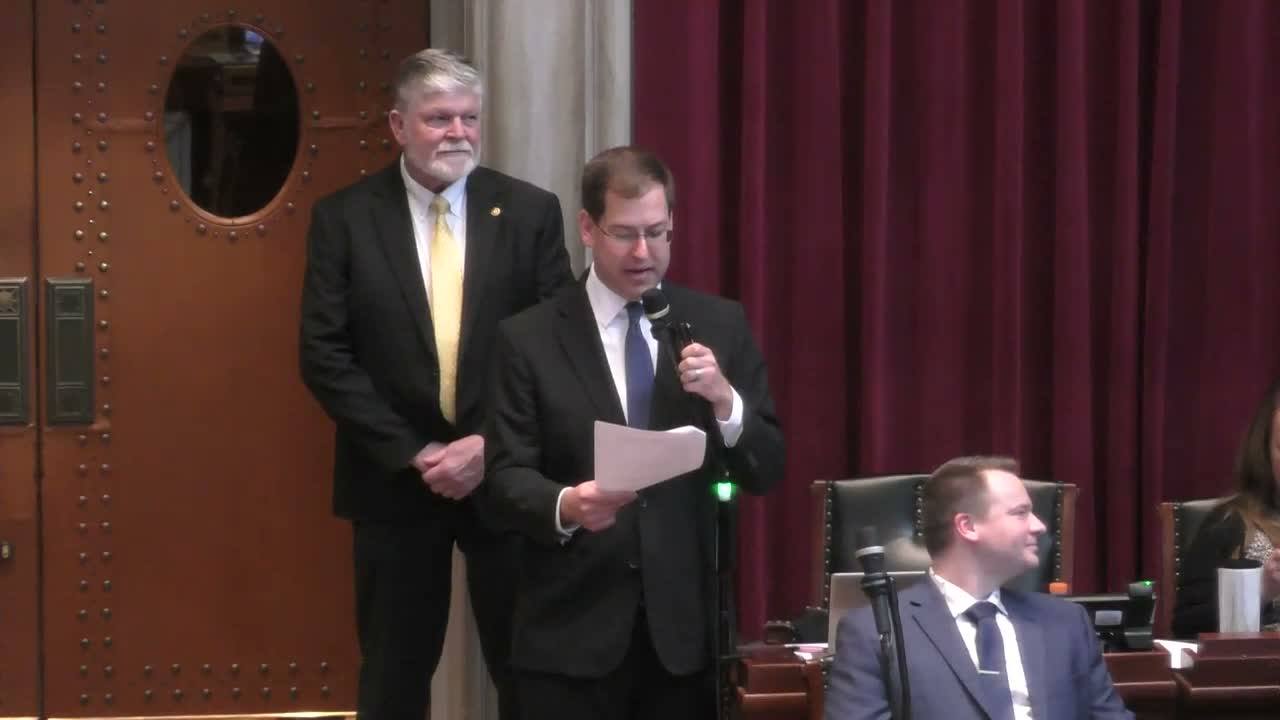
The House debated and perfected a broad property‑tax package on Feb. 18 when members adopted a committee substitute for House Bill 21‑78 with several floor amendments.
Sponsor the gentleman from Pike framed the measure as taxpayer protection and predictability for owners and businesses. Key provisions discussed on the floor included a proposed cap of 15% on individual property assessment growth in an assessment cycle with a tax‑credit carryover for anything above that level, a requirement for physical inspection when an assessment increases above certain thresholds, and new notice, documentation and refund requirements tied to assessor actions.
Amendment 1 (offered by the sponsor) proposing the 15% cap and a credit mechanism generated the most intense debate. Members questioned whether the amendment had been vetted in committee, whether a fiscal note existed, and whether it would cost taxing entities revenue or shift burdens between classes of property. The sponsor argued the change would protect taxpayers and that it could be implemented without stripping local voters' power, while critics warned of unintended fiscal impacts for local services and asked for a committee hearing and fiscal analysis.
The House also adopted Amendment 2, which would prohibit county assessors from reclassifying short‑term rental properties from residential to commercial for assessment purposes (a provision sponsors said would protect homeowners and small operators). Supporters cited instances where assessors had reclassified such properties and described the provision as protecting homeowners in resort areas; opponents raised concerns about investor‑owned properties and argued assessors should retain authority to classify based on use.
Amendment 3 and Amendment 4 added ballot‑language transparency provisions and new accountability and appeals procedures for assessors, respectively. Several members said the bill contains important protections and fixes for situations like sharp residential assessment increases in some counties; others cautioned that floor amendments lacked fiscal vetting.
A roll‑call on Amendment 1 was recorded in the transcript as "By your vote of 9 to yay and 43 nay and 5 present," language the clerk read when announcing adoption (the transcript wording is inconsistent and members debated procedural matters during the exchange). Regardless, the record shows multiple amendments were adopted and the committee substitute for HB 21‑78 was perfected and printed as amended.
What's next: HB 21‑78 (as amended on the floor) is perfected and printed and will continue through the legislative calendar; committee hearings or fiscal reviews may follow for contested provisions.