
Missouri House perfects juvenile-justice bill adding prosecutor oversight, data sharing
Get AI-powered insights, summaries, and transcripts
Subscribe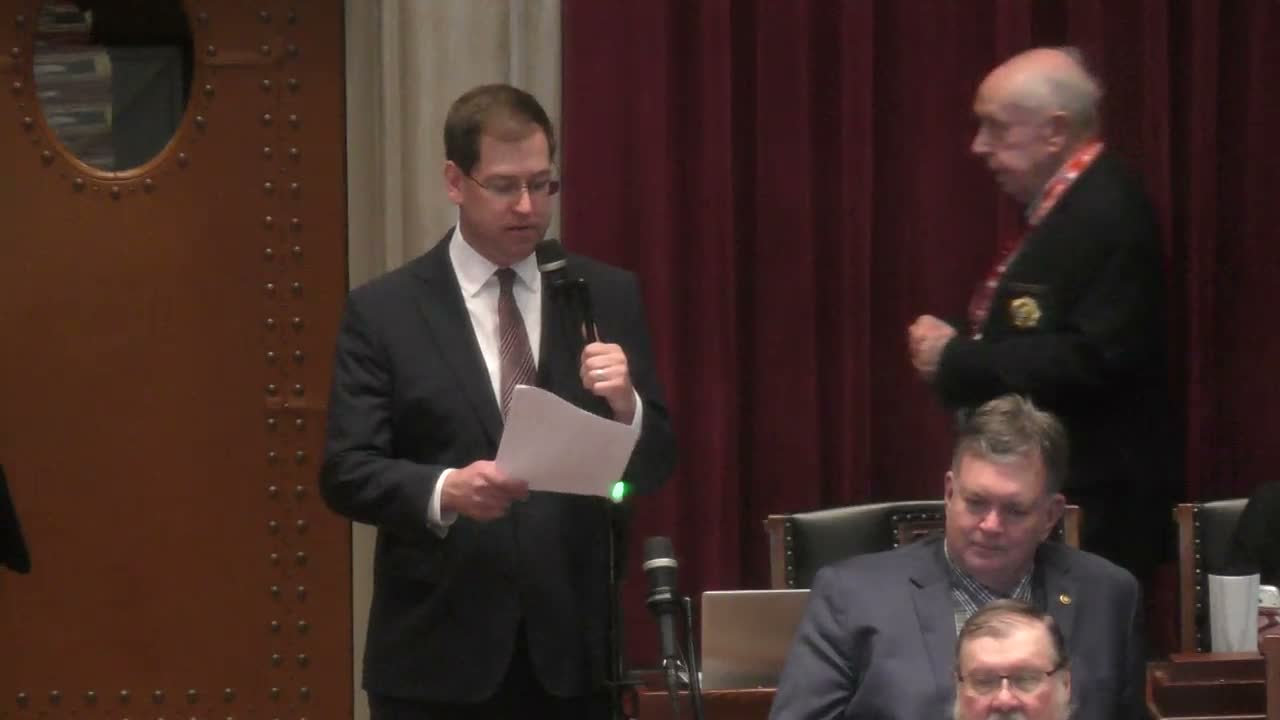
Summary
Lawmakers perfected and printed House Bill 24-98, a juvenile-justice package that narrows prosecutorial involvement to serious felonies, extends juvenile biometric records into the 'mule' system for cross-jurisdiction visibility, and removes planned parental-penalty language; three amendments were adopted.
House members on Feb. 17 perfected and printed House Bill 24-98, a measure the sponsor described as a package of changes intended to increase oversight and information-sharing in juvenile justice.
The bill, introduced by the gentleman from Saint Louis County, gives prosecuting attorneys new authority to seek certification of minors in specified circumstances, limits that authority to Class A and B felonies and certain repeat felony patterns, and clarifies which juvenile offenses will trigger fingerprinting and inclusion in biographical databases. The sponsor said the changes "allow cross-jurisdiction information" by adding qualifying juvenile arrest records to the state's mule system, while preserving statutory protections that seal juvenile records at age 18.
Supporters and critics sparred over scope and safeguards. Representatives who work in juvenile and family courts stressed that Missouri operates separate juvenile and adult systems and warned that elected prosecutors’ new standing in certification hearings could have unintended consequences. One member who served in family court said, "We have two separate systems for a reason," arguing that certification decisions historically have been for juvenile officers and administrative judges. The sponsor responded that the amendment limits prosecutorial involvement to the most serious offenses and is intended as an "additional oversight" tool for jurisdictions where the juvenile system is not working.
Lawmakers adopted three floor amendments. House Amendment 1, described by the sponsor as a technical cleanup written with prosecutors, the Missouri Juvenile Justice Association, public defenders and courts, was adopted. House Amendment 2, offered by the lady from Harrison, deleted broad parental-penalty provisions that would have subjected guardians to second- or first-degree child-endangerment in many juvenile-system contexts; the sponsor supported the deletion. House Amendment 3, offered by the gentleman from Scott, clarified post-certification appeals procedure by assigning responsibility for prosecuting an appeal to the party who filed the original motion to dismiss for certification. Each amendment passed by voice vote.
Key clarifications recorded on the floor include: prosecutors must notify the juvenile officer within 30 days of a decision to certify; only specified Class A and B felonies and repeat felonies within 180 days are eligible for prosecutorial intervention under the revised language; and juvenile records entered into the mule system remain sealed and are set to be sealed at age 18.
The sponsor said the bill "does not certify more kids as adults," and framed it as a tool to reduce repeat juvenile offending by improving data and oversight. Opponents raised concerns about privacy, racial and socioeconomic disparities in certification, and the effect on foster placements. Members who opposed called for caution and for complementary investments in rehabilitation and juvenile detention capacity.
After debate the House announced adoption of the amendments and perfected and printed House Bill 24-98 as amended. The action does not itself certify any case; it changes statutory process and agency roles pending further implementation and judicial procedure. The next procedural step would be movement to third reading or further committee/senate consideration as set by the legislative calendar.