
Survey: Nevada’s local election offices face turnover, uneven funding and heavier records burdens
Get AI-powered insights, summaries, and transcripts
Subscribe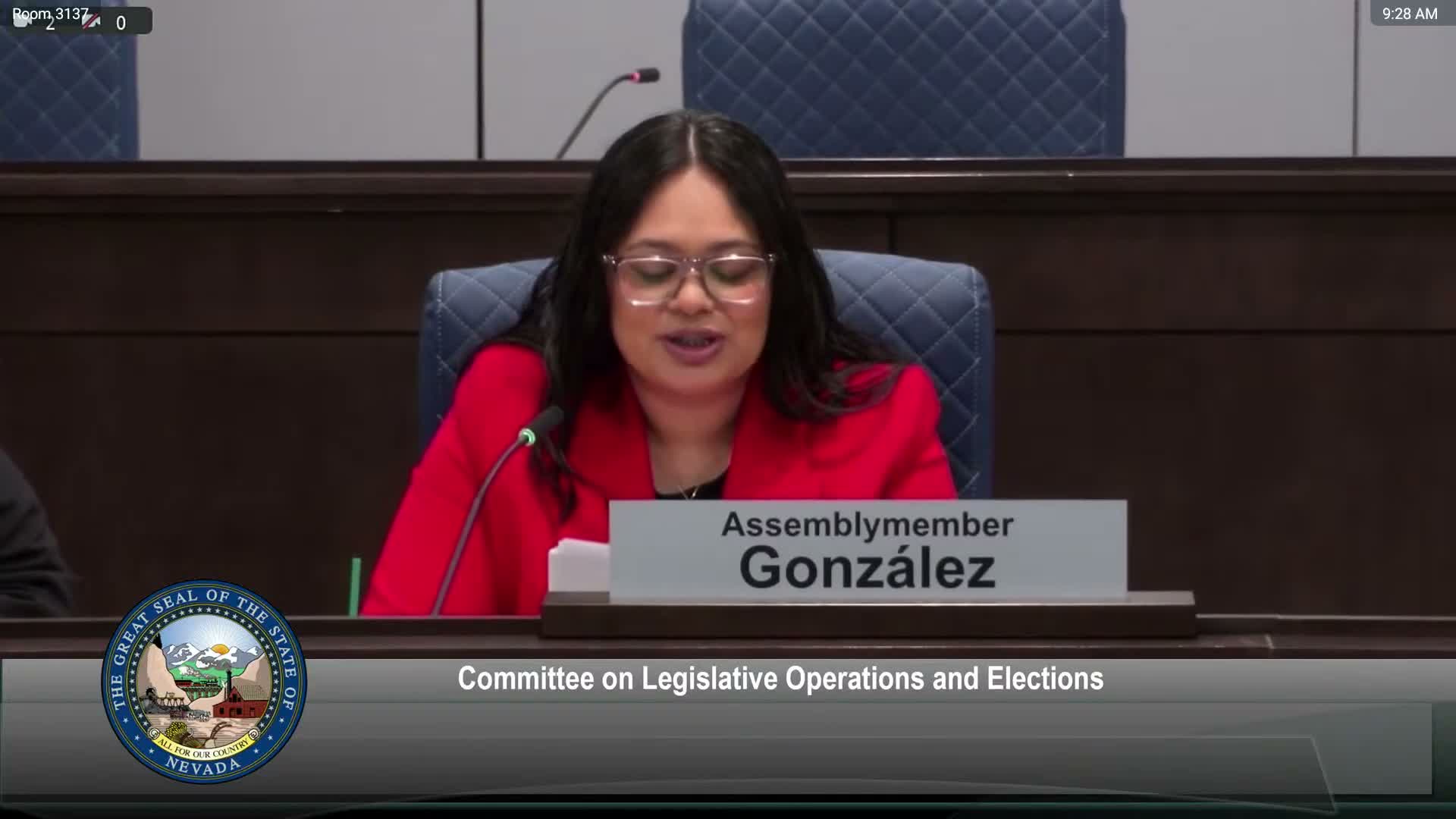
Summary
A national survey presented to Nevada lawmakers found many local election officials are eligible for retirement and face hiring and funding challenges; researchers and county registrars told the committee staffing, training and record-request burdens are top priorities for 2026.
A national survey of local election offices, presented Feb. 21 to Nevada’s joint interim committee on legislative operations and elections, shows a workforce under pressure: respondents reported high turnover risk, recruitment challenges and growing operational demands.
Paul Manson, research director of the Elections and Voting Information Center, said the study sampled thousands of local offices and found that about 40% of individuals in lead election roles are currently eligible to retire. Manson described a ‘‘U-shaped’’ pattern: very large urban offices and the smallest rural offices often have established systems, while mid-size counties transitioning to larger populations face the most acute staff and budget strain.
The survey also documented changing public expectations and heavier administrative workloads. Manson said officials are handling more frequent open-records requests and that in interviews many local employees reported safety concerns and reluctance to tell neighbors they work in elections. He emphasized that offices need stable, non‑encumbered funding for staffing, training and physical facilities rather than one‑time equipment purchases.
Committee members pressed for Nevada-specific follow-up: members asked whether pay changes enacted last session (noted in the hearing as SB116) are improving retention and whether penalties for threats against election workers have measurably reduced turnover. Paul Manson said data are mixed and his team will include related survey questions in the 2026 round of fielding.
The presentation underscored an operational point for the committee: staffing and recurring funding are likely to be priorities for legislative attention in the 2026 session unless counties and the state can stabilize budgets and training pipelines.
Next steps: committee staff were asked to provide county-level data on pay and retention trends; researchers will be invited to share updated 2026 survey results later this year.