Lifetime Citizen Portal Access — AI Briefings, Alerts & Unlimited Follows
Committee hears bill to create statewide "Purple Alert" for missing people with developmental disabilities
Loading...
Summary
Representative Sherry Gallick told the House Children and Families Committee that House Bill 18‑40 would create a Purple Alert — a coordinated, Highway Patrol‑led system of public warnings and responder training for missing people with developmental disabilities; family members and providers urged passage, and the hearing closed without a committee vote.
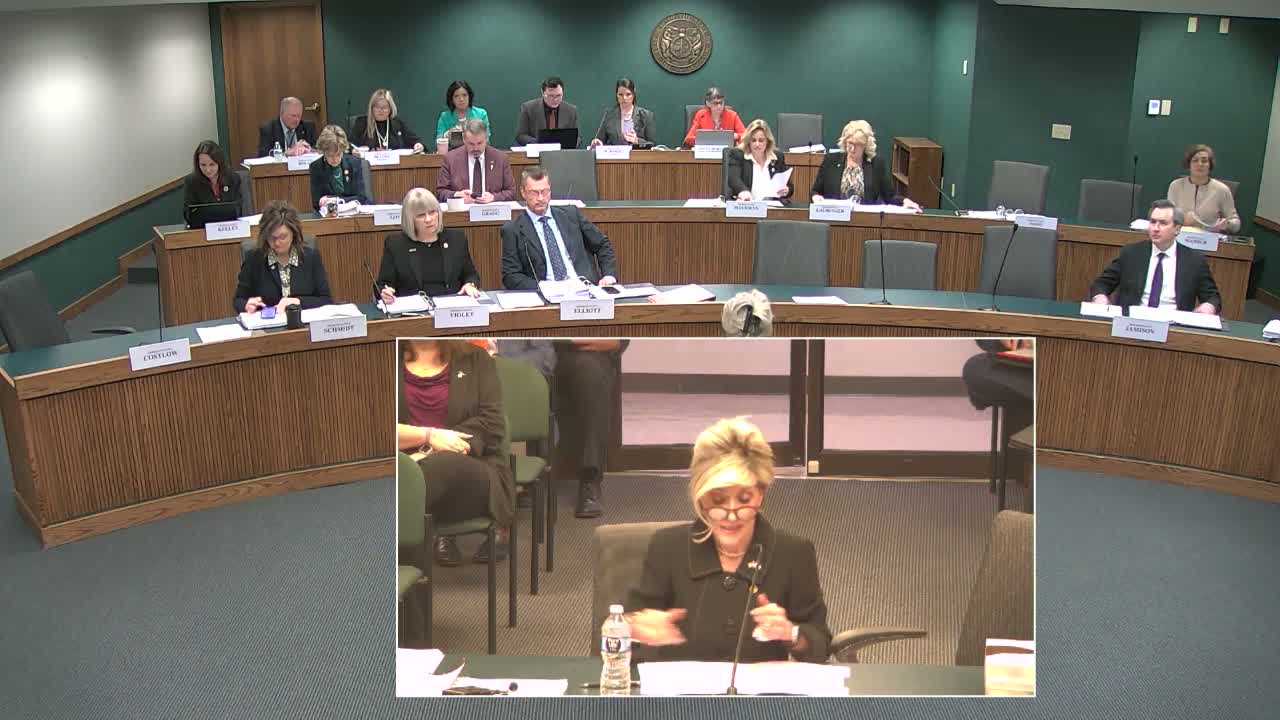
Representative Sherry Gallick introduced House Bill 18‑40, saying the measure would establish a statewide Purple Alert to speed searches for missing people with developmental disabilities and to ensure first responders receive specialized training when they locate vulnerable individuals. "This bill creates a program designed to quickly identify and locate vulnerable individuals when every minute matters," Gallick said.
Family members who have lost children or relied on social media to spread the word described the bill’s urgency. "My 4‑year‑old child's life depended on social media shares," said Hope O'Keefe, reading her testimony about a son who drowned after eloping; she urged the committee to pass a system that would push immediate, structured alerts to phones, highway signs and local media.
Advocates and service providers emphasized training and coordinated response. Dr. Joy Sweeney, CEO of Woodhaven, and Kyra Snowbarger of foster.connect said rapid public alerts combined with de‑escalation and crisis‑intervention training for law enforcement, EMS and volunteers would reduce the risk of injury or exploitation for people who are nonverbal or do not recognize danger.
Committee members asked how the Purple Alert would be operated and financed. Representative Manser and others noted the bill’s fiscal note and asked whether the Missouri Highway Patrol would build and run the system and lead statewide training; Gallick said she had discussed the concept with the Highway Patrol and would confirm implementation details. Chair Jones noted the bill carries an $80,000 fiscal note and said she would explore whether existing disability funding could cover it.
Supporters pointed to other states with similar alerts and to data they said show people with autism and other developmental disabilities often wander and are at heightened risk of drowning or traffic injuries. Witnesses proposed optional features such as volunteer registries, photo inclusion in alerts, and links to location tools for volunteers; sponsors said those details could be refined in implementation.
The committee concluded the public hearing with extensive, emotional testimony but took no vote on the bill at that time. The sponsor and several witnesses provided contact information for follow‑up and offered training resources to state agencies.
Ending: The committee closed public testimony on House Bill 18‑40; the bill’s next steps — whether a committee vote will be scheduled or amendments will be filed — were not decided on the record at the hearing’s close.