Basic Care study group weighs licensure and payment changes; HCBS waiver option debated
Loading...
Summary
DHHS work group reviewed basic care and assisted-living differences, payment-method risks (inflation gaps, census drop), and the prospect of moving basic care to a 1915(c) HCBS waiver to expand service options — but members warned about CMS scrutiny under the HCBS settings rule.
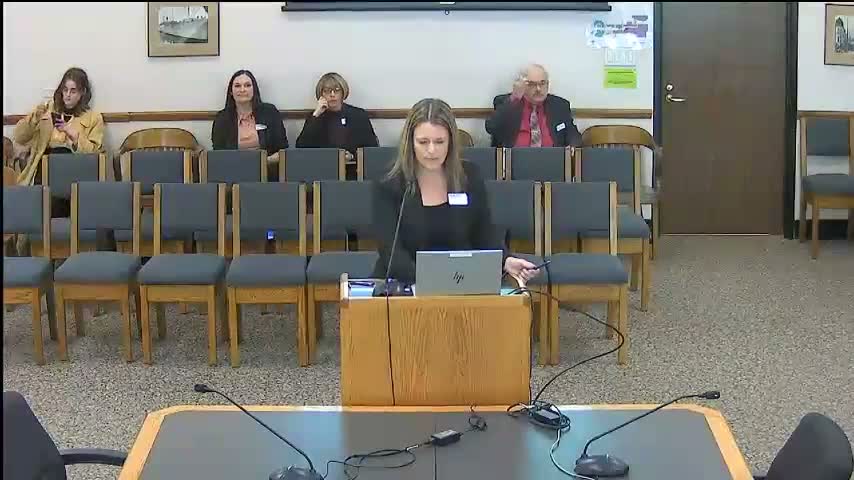
BISMARCK — The Human Services interim committee heard an update on the Basic Care study on Feb. 19, where DHHS and provider representatives debated how to reconcile North Dakota—s basic care licensing and payment system with assisted-living models and federal Medicaid rules.
Krista Fremming, interim director for Medical Services at DHHS, said the work group agreed licensure questions must be resolved before payment changes: payment depends on what services a license requires. Basic care, she explained, is a state—mandated, 24/7 care model with a set suite of services that is surveyed by health facilities staff, while assisted living in North Dakota functions largely as housing-plus-services with less regulatory authority.
—If we forced a one-size-fits-all staffing and regulatory approach onto assisted living, small rural sites could close,— Fremming said, paraphrasing provider concerns. At the same time, she said, the state—s current basic care payment uses a prospective cost-report system whose annual adjustment factors have lagged inflation and left many facilities with little or no operating margin.
The group discussed a potential strategic move: transitioning basic care reimbursement from the Medicaid state plan personal-care benefit into a 1915(c) Home and Community-Based Services (HCBS) waiver, which could enable more tailored residential supports and cover services (transportation, social supports) not currently reimbursable under the state plan. But providers cautioned that the federal HCBS settings rule and heightened CMS scrutiny could force small settings to change in ways that jeopardize current operations.
Work-group members identified near-term rule fixes and clarifications possible through administrative-code revisions (for example, reconsidering fire-drill frequency and certain prescriptive documentation requirements) and asked the department to map regulatory overlaps and supply meeting minutes and proposed rule language for the committee—s review.
Why it matters: Basic care funding and licensure determine the availability of long-term residential options outside nursing homes. Any payment redesign or waiver move could increase service flexibility but raises regulatory and fiscal trade-offs that the committee must weigh before proposing statute or appropriations changes.
Next steps: DHHS will provide meeting minutes, the licensure crosswalk, and proposals for administrative-code adjustments and report back to the committee at a future meeting.