
Missouri hearing on PBM reform spotlights pharmacy closures, industry warns of cost shifts
Get AI-powered insights, summaries, and transcripts
Subscribe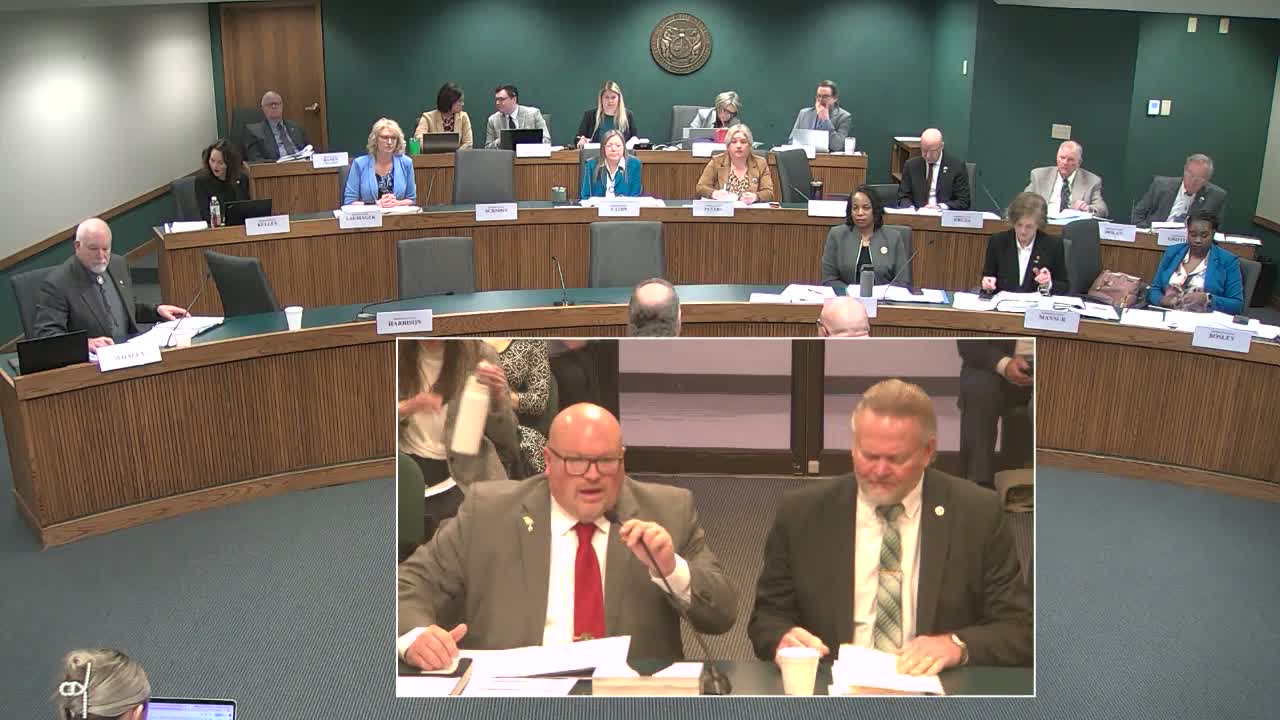
Summary
Sponsors of HB1975 and HB1850 told the Health and Mental Health Committee the bills would increase transparency, protect independent pharmacies and require fairer reimbursement; pharmacists described reimbursements below acquisition cost and audit burdens while PBM and insurer representatives warned mandates could raise employer and consumer costs and face ERISA or legal challenges.
Representatives Benny Cook and a co‑sponsor presented two bills, House Bill 19‑75 and House Bill 18‑50, that aim to rein in pharmacy benefit managers (PBMs) through a mix of reimbursement, audit and transparency rules.
Cook told the committee the bills would help keep independent and rural pharmacies open by requiring more even reimbursement practices (including a dispensing fee tied to Missouri Medicaid) and providing an appeals process and audit protections. "Pharmacies get a clear appeals process," he said, summarizing the reforms the bills would require.
Supporters included the Missouri Pharmacy Business Council, Missouri Pharmacy Association and dozens of independent pharmacists who testified that reimbursements, MAC pricing and certain PBM contracts frequently pay less than pharmacies’ acquisition cost and shift unsustainable losses onto small retailers. Marty Hinterlong, a long‑time pharmacist, described cumulative losses on high‑cost and specialty drugs and said thousands of community pharmacies have closed in recent years; Brandon Gregory and Amy Mitchell provided local examples of staffing strain, audit burdens and patient harms in rural towns.
Opponents included the Pharmaceutical Care Management Association (the national PBM trade group), the Missouri Chamber of Commerce, insurers and some large self‑funded plan representatives. Phil Cristianelli, representing PBMs, said mandated minimum reimbursements or dispensing floors could raise out‑of‑pocket costs for patients and increase employer premiums; he warned of federal preemption and ERISA litigation risk. Insurer and employer witnesses urged alignment with recent federal rules and asked the committee to narrow provisions to avoid unintended pass‑through costs to plan sponsors and employees.
Committee members pressed sponsors and witnesses on whether mandated reimbursement minimums could be paid by plans or passed to consumers, how to ensure independent pharmacies receive at least acquisition cost, and the legal risks posed by ERISA and ongoing federal litigation. Several witnesses pointed to recent federal activity (FTC reports and a federal settlement with Express Scripts) as evidence that transparency measures are under national consideration.
The hearing produced no committee vote on either bill in the provided transcript. The committee concluded testimony after hours of testimony and debate; sponsors indicated willingness to work on amendments and compromise language.