State Auditor and Inspector General press for expanded oversight units after fraud and system failures flagged
Loading...
Summary
The State Auditor reported nearly $12 million in public‑benefit fraud identified by the Bureau of Special Investigations and asked for funding to expand targeted audit units (transportation, housing, AI oversight) and statutory authority to investigate early education and care fraud referrals.
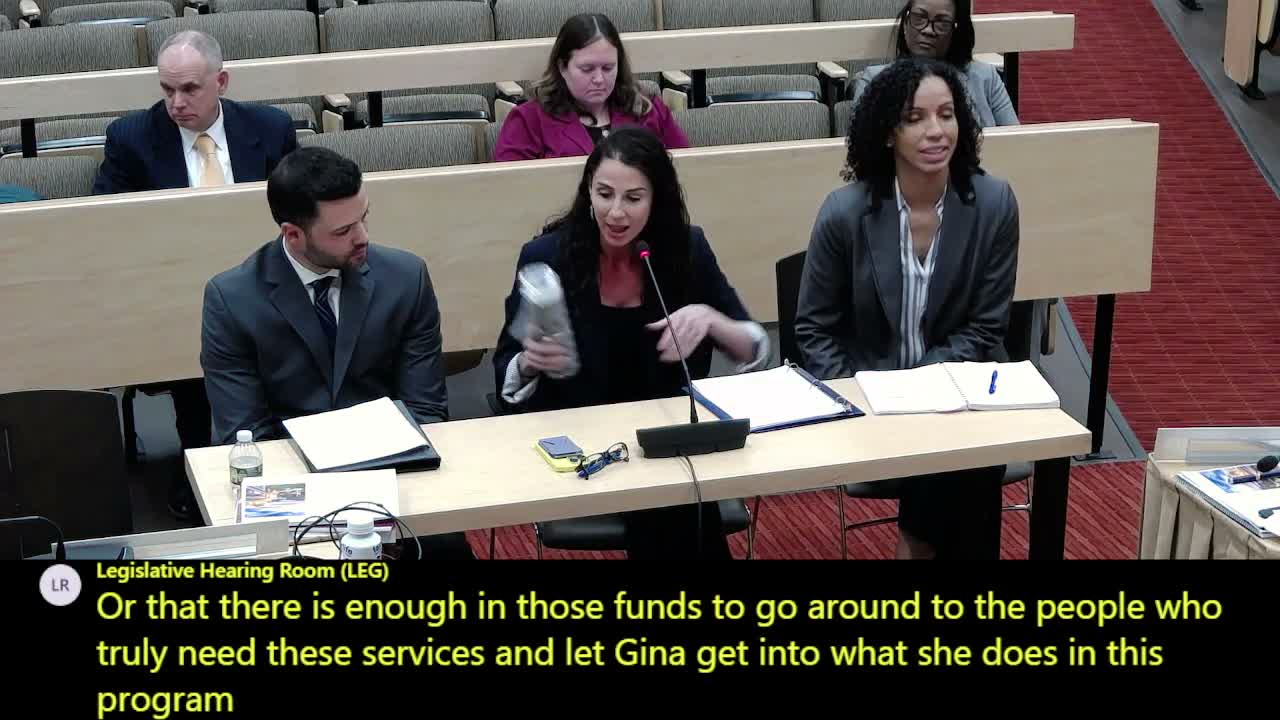
State Auditor Diana Desaglio and the Bureau of Special Investigations told the committee that BSI’s investigations and audits remain a cost‑effective safeguard against fraud and misuse of public funds. Auditor Desaglio said the office recently documented nearly $12,000,000 in public benefit fraud and requested continued reinvestment to expand BSI’s toolkit, training and staffing.
Gina Cash, BSI director, told the committee the bureau lacks subpoena power over private entities and relies on partner referrals and hotline tips; she asked the legislature to update statutory language so the auditor’s office can receive referrals from Early Education and Care (EEC) and investigate potential childcare subsidy misuse without relying on a memorandum of agreement that has recently yielded few referrals.
State auditors also highlighted audits that uncovered systemic risks at agencies that serve vulnerable populations — including Department of Elementary and Secondary Education practices around special education complaints and Department of Children and Families case handling — and urged a shift toward risk‑based auditing (proposed expansion of the 3‑year audit cycle to 5 years for low risk entities and more frequent reviews for high‑risk agencies). Inspector General testimony asked lawmakers to support several mandated reviews (special education transportation, sheriff spending, bar advocate system) and to consider OIG recommendations for immediate and long‑term reforms.
Both offices emphasized prevention: training for municipal procurement officials and new audit units would aim to catch problems earlier, preserve funds, and protect vulnerable residents.