Small Massachusetts districts seek exemption from school‑choice tuition rule
Loading...
Summary
Representatives of Hancock, Warwick, Richmond and Worthington urged the Joint Committee on Education to pass H.4867, arguing DESE’s current interpretation of MGL ch.76 §12B(k) makes tiny K–6 districts financially responsible for high‑school tuition of choice students and forces them to close choice seats.
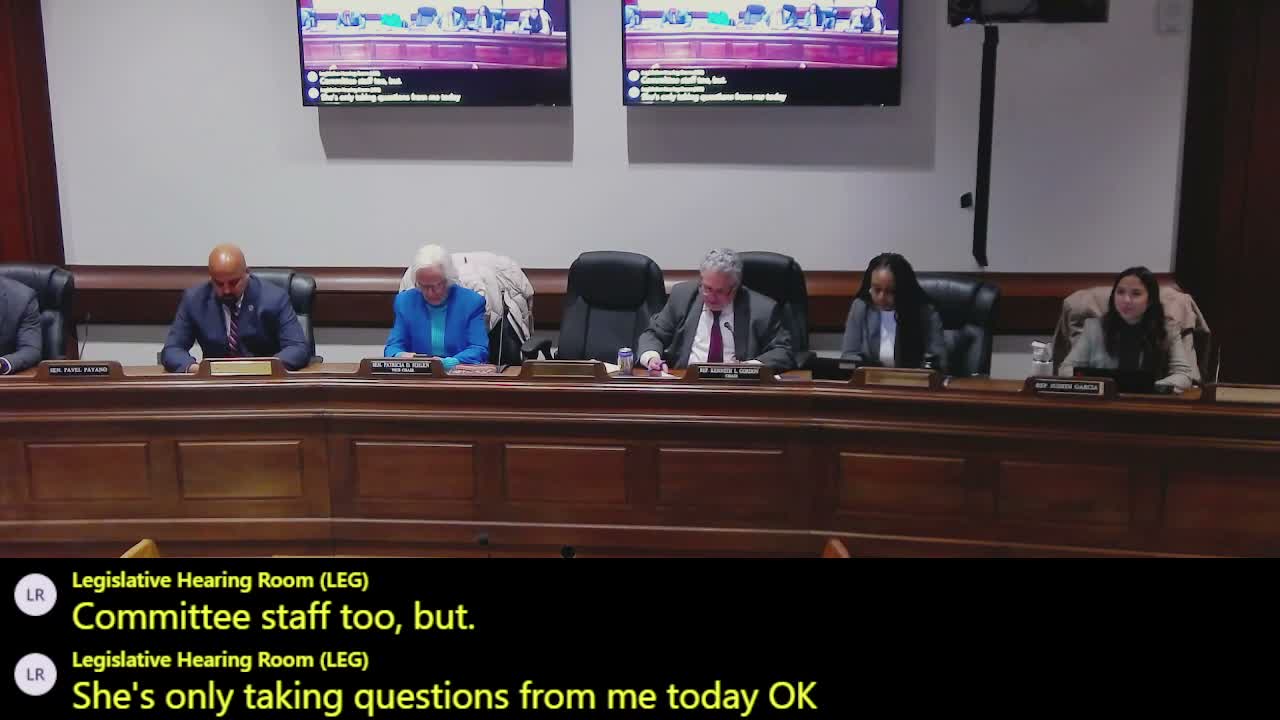
Hancock, Warwick, Richmond and Worthington school leaders told the Joint Committee on Education on Feb. 21 that a Department of Elementary and Secondary Education interpretation of Massachusetts General Laws, chapter 76, section 12B, subsection K has saddled small elementary-only districts with high‑school tuition bills for nonresident students and threatened their ability to accept school‑choice pupils.
"We are a single school district," said John J. Marcellus, principal at Hancock School, describing Hancock as a PK–6 district. He said the district pays tuition when students it accepts through choice proceed to high school, creating a liability he estimated at roughly $12,000 a year per student and prompting Hancock to stop admitting choice pupils.
The committee heard consistent figures from superintendents and local officials. Rebecca Phillips, Hancock’s superintendent, told lawmakers that the district is required to pay more than $18,000 in tuition for nonresident students while receiving only $5,000 in school‑choice aid, producing a shortfall “of more than $13,000 per student per year.” Carol Leonard Miller, superintendent of Warwick, said Warwick’s gap would be about $13,523 per student and noted town meeting support for legislative relief. Worthington’s witness said 14 choice students at about $15,000 each would create a near‑$210,000 annual exposure for that tiny district.
Representative Barrett, who described working with a senator on the bill, said H.4867 would amend subsection K so that districts that accept nonresident students for elementary grades would not be required to fund those students’ high‑school tuition. "This law had gone unenforced for better than 30 years," he said, and the amendment would relieve only the communities actually affected.
Committee members pressed witnesses on mechanics and scope. Officials said only a small number of municipalities — witnesses’ estimates ranged from nine to 11 — lack secondary programs and that many earlier arrangements were informal or not widely enforced until DESE emphasized the provision in 2023. Witnesses said the current interpretation means receiving districts keep the $5,000 choice payment while also paying full high‑school tuition for some pupils, shifting multi‑year costs onto tiny town budgets.
Parents, teachers and school committee chairs described the practical effects: smaller districts lost class size flexibility, risk program cuts, and in some cases have opted out of school choice entirely. "Our class overflows with new friends," a Warwick teacher said when recounting how re‑opened choice seats restored a kindergarten–second grade class to 16 students.
The testimony closed without a committee vote on H.4867. Lawmakers did not take formal action on the bill at the hearing and instead moved on to the next item on the agenda.
The committee will determine next steps; no date for further consideration was announced at the hearing.