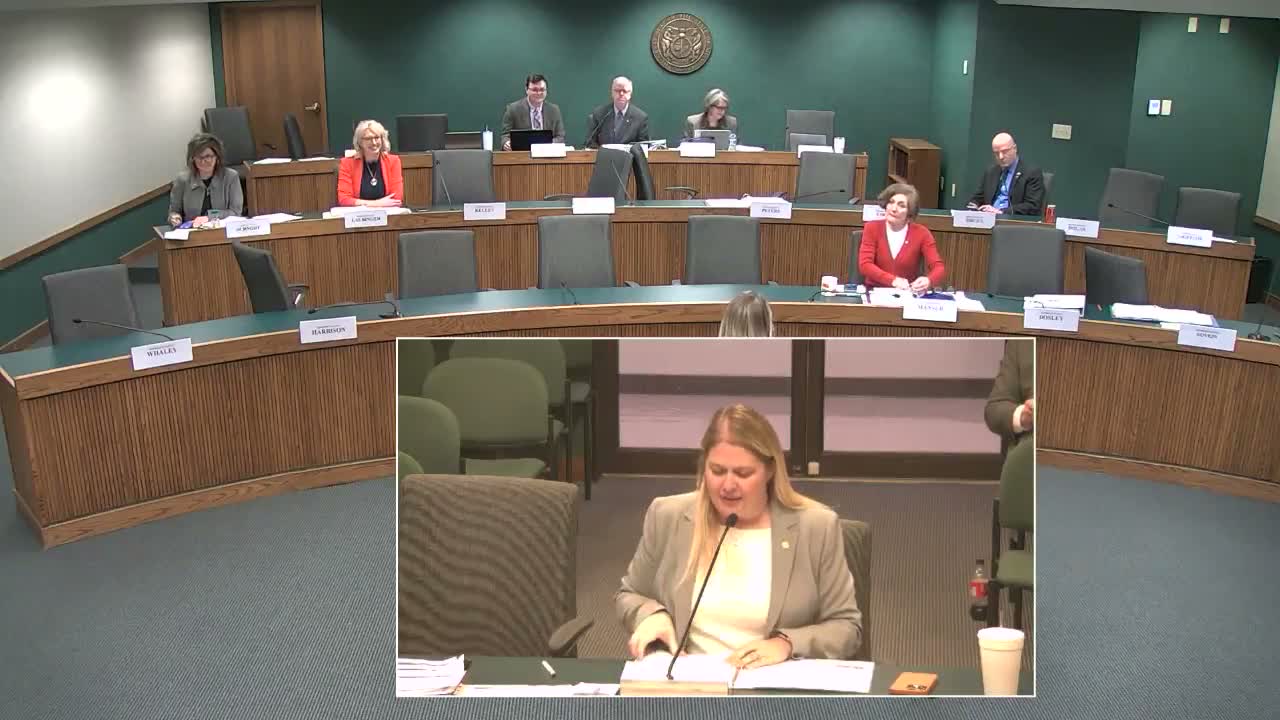
Long hearing on prior-authorization reform pits providers’ complaints of patient harm against insurers’ cost concerns
Loading...
Summary
The committee heard hours of testimony on HB3010, a bill to create a 'gold card' prior-authorization exemption for providers with ≥90% approval rates, plus API-based data exchange requirements. Hospitals and doctors described delays and administrative FTE costs; insurers warned the 90% threshold is too low and presented cost-risk estimates for state programs.
The House Health and Mental Health Committee held an extended hearing on House Bill 3010, a prior-authorization reform measure that would let high-performing providers bypass routine prior-authorizations after meeting a 12-month approval threshold (the bill sets 90% as the qualifying rate) and would require payers to implement an API-compatible interface for electronic prior-authorization data exchange.
Sponsor Representative Stinnett said the bill aims to reduce delays that impede patient care and impose substantial administrative costs on hospitals and physician practices. Supporters—large health systems, rural hospitals and specialty medical associations—described dedicated prior-authorization teams ranging from dozens to scores of full-time employees and offered patient examples of delayed procedures and medication gaps (cancer radiation delays, asthma inhaler refills leading to ER visits, a broken-leg case requiring multiple trips for scans and surgery). Several providers said appeals often overturn denials, suggesting the prior-authorization process creates avoidable work and patient stress.
Insurers and managed-care plan associations said prior-authorization remains a necessary utilization-management tool. They argued the 90% threshold is too low to distinguish high-performing providers, noted that some states that adopted similar policies later faced cost consequences, and produced a retrospective estimate that applying a 90% threshold to managed Medicaid claims could have increased payments by tens of millions of dollars (witnesses cited a $69M minimum figure in the managed-Medicaid pool). They urged higher thresholds and inclusion of quality-outcome metrics before broad exemptions.
The Department of Commerce and Insurance provided informational comment supporting API alignment with federal guidance and noting the department’s limited regulatory reach over ERISA/self-funded plans. Committee members pressed about how many providers would qualify, audit frequency (the bill allows up to twice-yearly audits), thresholds for revocation, and whether exemptions could inadvertently shift costs to plans outside state authority.
The committee collected substantial pro and con testimony and asked for additional analysis of thresholds, fiscal impacts and quality metrics; no committee vote was taken during the hearing.