
Sen. Smith reintroduces high‑rise fire‑safety upgrades after 2023 Silver Spring fire; union, landlord groups offer amendments
Get AI-powered insights, summaries, and transcripts
Subscribe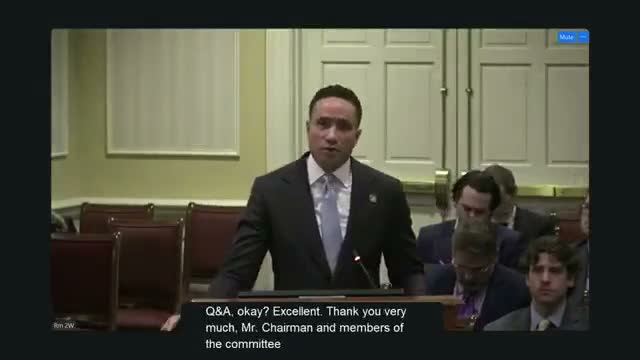
Summary
Senate Bill 513 would require automatic sprinklers for substantially renovated residential high‑rises, establish licensing standards for fire‑alarm technicians, and give the state fire marshal new appointment and regulatory powers; sponsor and victims' family urged a favorable report while some implementational clarifications were noted.
Senator Sherrod Smith introduced Senate Bill 513, citing the 2023 Arrive Building fire in Silver Spring that killed 25‑year‑old Melanie Diaz and displaced hundreds. He asked the committee for a favorable report on a bill that would require automatic sprinklers for substantially renovated residential high‑rise buildings beginning Oct. 1, 2026, as well as license and training standards for technicians and additional appointment and regulatory powers for the state fire marshal.
"That fire drew 100 firefighters to the scene ... and unfortunately, Melanie, who was 25, perished in that fire," Smith said in opening remarks, describing the 2024 Melanie Diaz Fire Safety Act as background to the current bill. The sponsor said the proposed standard applies when a renovation equals roughly 40% of a building's assessed value and that he expects a friendly amendment on the effective date.
Labor and industry groups gave the bill substantial support. Brian Donahue of Local 669 said the union "supports this bill," highlighting the need for qualified installers and consistent inspection standards. Roger Manno, representing the Mid Atlantic Pipe Trades Association, called it a priority for public safety and training standards. Dan Reed of Greater Greater Washington, who said he grew up in one of the affected buildings, urged the committee to consider tenants' safety and cited poll results showing broad public backing for the bill.
The testimony also included representatives of apartment owners who described a clarifying amendment that would limit the bill to projects permitted on or after Oct. 1 so projects already financed or under construction are not affected. Witnesses and the sponsor asked the committee to work through technical definitions — for example, how the bill defines "substantial renovation" and how the tax credit incentive in the 2024 law interacts with the new mandate.
The committee placed the bill on the record with no immediate vote; the sponsor and witnesses signaled willingness to refine implementation language and to consider a limited delay for projects already in the pipeline.