Get Full Government Meeting Transcripts, Videos, & Alerts Forever!
Get email alerts on the Public Comment Social Media topic
No spam. Unsubscribe anytime.
Union president and residents defend Wachusett educators, call out social media 'cyberbullying'
Summary
At the Sept. 22 Wachusett Regional School District Committee meeting, union president Linda Sasso and resident Maureen Florian used the public comment period to warn that social media posts have led to misinformation, intimidation and threats against teachers and urged the district and community to protect staff and preserve civil discourse.
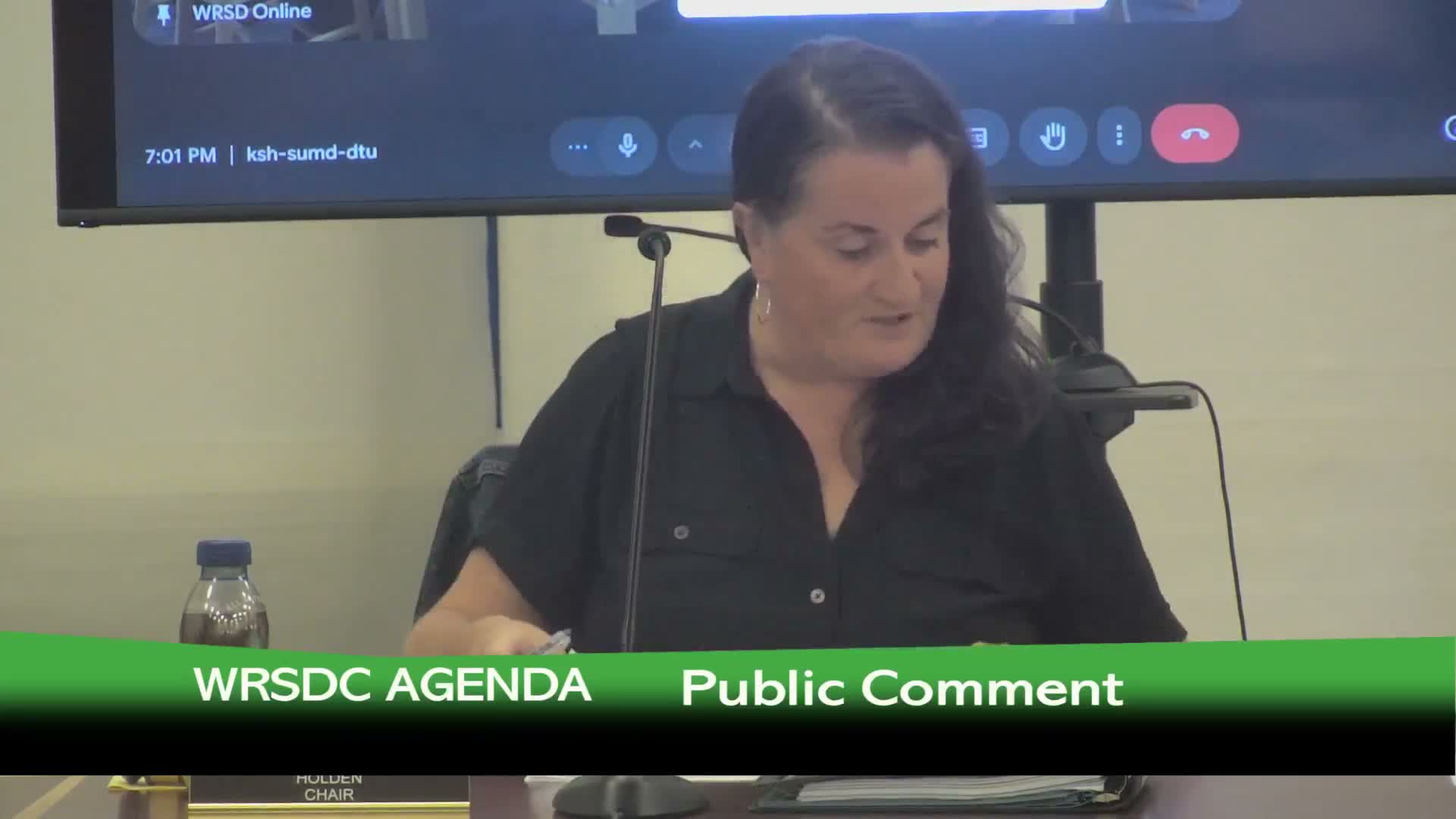
Linda Sasso, president of the Wachusett Regional Education Association and a 32‑year English teacher, told the school committee on Monday evening that educators in the district have been the target of a wave of online harassment and misinformation.
"What has occurred to educators here in many communities is cyberbullying," Sasso said during the public comment period, arguing that screenshots and unvetted social‑media posts led to assumptions and threats that have forced teachers to question their safety and the safety of their families. She said educators are entitled to private lives and urged the district and the community to respond with "reason and healing" rather than intimidation.
Another resident, Maureen Florian of Jefferson, said she was not familiar with the teachers involved but warned against a politically driven effort to purge dissenting speech. Florian described the online reactions as a "witch hunt" and said the threats that followed recent posts—rather than the posts themselves—were what imperiled student safety.
Neither speaker called for specific disciplinary action; both framed their remarks around protecting staff and preserving civil discourse. The committee heard the comments under the district's public‑comment rules, which the chair read at the start of the meeting (the district bylaws require a public comment period at each regular meeting).
There was no formal response, policy change or vote during the meeting tied to the comments; the chair thanked both speakers and moved on to the agenda. The public comment period lasted as scheduled and the meeting continued with the superintendent's report.
The school committee did not address any personnel or investigatory details in public during the session.