Lifetime Citizen Portal Access — AI Briefings, Alerts & Unlimited Follows
Downtown associations ask San Joaquin supervisors for one-time grants to form or renew PBIDs
Loading...
Summary
Several downtown and property-based improvement districts told the board their renewal or formation costs (estimated $40,000–$90,000) threaten recovery; they asked the county for one-time matching grants to help cities and districts restart programs that fund maintenance, safety and events.
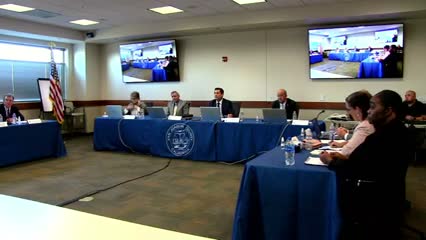
During public comment at the Oct. 29 special meeting, representatives of downtown and property-based improvement districts urged the Board of Supervisors to fund one-time grants to help form or renew PBIDs and community benefit districts.
Kevin Gordy, a commercial property owner in Stockton’s Miracle Mile District, asked the county to "give serious consideration to a grant application matched by a city" to cover formation or renewal expenses. Gordy said district formation and renewal is expensive and time-consuming: "District formation is expensive... It can run 70 to $90,000 and take anywhere from 9 to 15 months," he told supervisors.
Dion Hargros, executive director of Downtown Tracy (Tracy City Center Association), said events and programming make up a large portion of downtown-association revenue and that COVID shutdowns wiped out roughly two-thirds of that income. He said renewals can cost "$40,000 to $50,000" and that many downtown groups are effectively on life support after lost event revenue.
Sony Lundgren, deputy city manager for Manteca, said her city is exploring a community benefit district and would welcome county funding programs to support downtown revitalization.
Board members responded positively to the audience input and asked the CAO and staff to incorporate downtown formation/renewal support options when returning to the board with ARPA spending recommendations; supervisors emphasized any program should include municipal matching funds and require local ‘‘skin in the game.’'
Ending: The board asked staff to engage with city partners and downtown stakeholders while developing costed ARPA options to present to supervisors before the next tranche of funds is allocated.