Get Full Government Meeting Transcripts, Videos, & Alerts Forever!
Get email alerts on the Professional Development topic
No spam. Unsubscribe anytime.
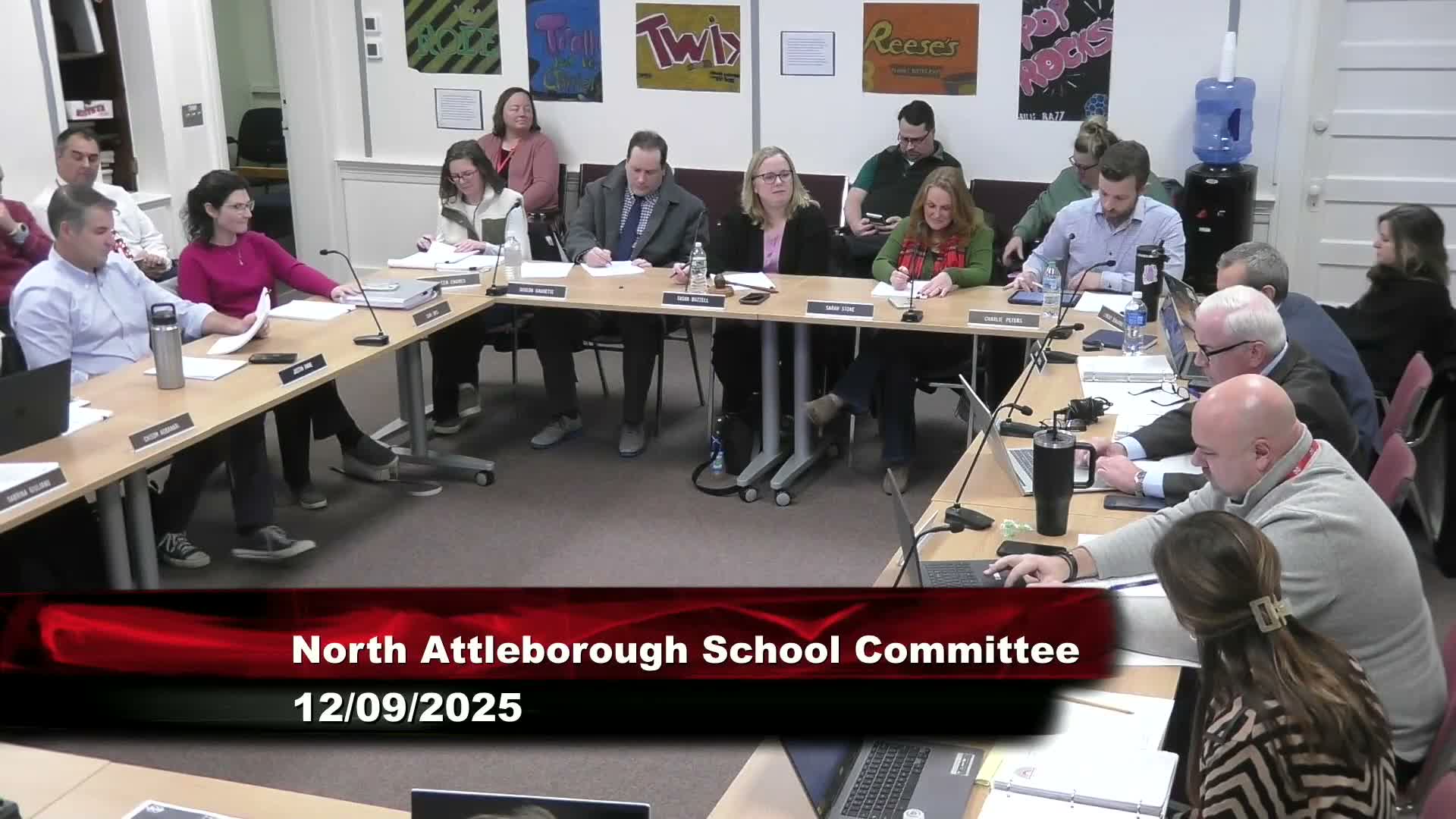
School leaders propose regular early-release days for teacher professional development; ask committee to send plan to subcommittee
Summary
District administrators proposed keeping four full PD days and adding recurring early-release days so teachers can pursue shorter, job‑embedded professional learning cycles; presenters asked the committee to send the concept to the policy subcommittee for calendar and logistics work in January.
A district presenter outlined a proposal to add regular early-release days for educators so teachers can engage in ongoing, job-embedded professional development tied to the district's strategic plan and the new high‑school project. The presenter said the plan would keep the existing four full professional‑development days "but we're also looking to add scheduled early release days for consistent ongoing professional development and collaboration." (Unidentified Administrator, Speaker 17)
Why it matters: district leaders said sustained, recurring PD will create continuity across grade levels and better prepare teachers to implement an updated curriculum and the "Vision of a Rocketeer" approach for the new high school. The presentation emphasized that frequent PD supports short cycles of planning, implementation, reflection and revision, enabling teachers to return to classrooms with improved instructional practice.
What was proposed: the presenter described preserving the current four full PD blocks and adding multiple early releases (the presenter referenced example mock calendars with as many as eight early‑release days during the school year) to allow district staff to "create time to work systematically in alignment, collaborate, review what students know and can demonstrate" and to "design deeper learning experiences." The presenter asked only for feedback at the meeting and requested permission to bring the draft calendar and logistics to the policy subcommittee in January, with a February presentation of a final 2026–27 calendar if the subcommittee approves.
Questions and concerns raised: committee members asked about how the change would affect special‑education services and IEP scheduling, childcare and community partner capacity, whether the district surveyed its own families, and how the plan fits with contractual day counts and required instructional minutes. A committee member noted the district currently meets or exceeds state-required minutes and the presenter said the proposal "would not jeopardize our ability to be compliant with the state expectations regarding time on learning." (Unidentified Administrator, Speaker 17)
Next steps: the presenter asked the committee to authorize bringing the proposal to the policy subcommittee for detailed calendar dates and logistics (childcare partners, vendor agreements, and service‑delivery adjustments for IEPs) and indicated staff would use the months before February to engage community partners and to research how other districts manage service impacts.
The committee did not vote on the proposal during the meeting; members said they would continue vetting details in subcommittee and expect further public conversation.