Julian Thomas outlines plan to cut absenteeism and keep students in class
Loading...
Summary
Julian Thomas school leaders told the Racine Unified School Board they aim to reduce chronic absenteeism by 12.5%, lower suspensions from about 325 to no more than 275, and boost ELA through targeted small-group instruction, goal-setting and formative checks.
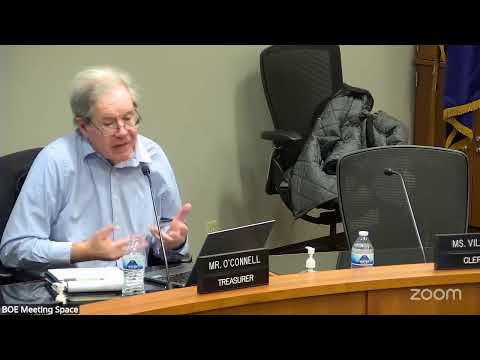
Julian Thomas school leaders told the Racine Unified School District board on Feb. 16 that reducing chronic absenteeism and suspensions will drive their classroom gains this year. Administrators said they will focus on goal-setting, small-group instruction and targeted interventions to raise literacy and math outcomes.
School leadership presented attendance and discipline targets and early achievement data. Principal Danny Gajewski said average daily attendance has risen slightly (reported near 88.7% to 89.2% in recent years) but the school aims to lower absenteeism by 12.5% in the coming year. The school reported recent suspension totals around 325 and said it plans to reduce the number to no more than 275 through collaborative supports and review of root causes.
Administrators described approaches to academic growth. Miss Anderson said the school will emphasize keeping students in classrooms by addressing the causes of disruptive behavior and by using student collaborative meetings and in-school supports rather than defaulting to out-of-school suspensions. To raise ELA outcomes, staff will focus on summarizing, citing evidence and text-response skills, measured by classroom formative assessments and the district's Forward assessment.
The board pressed for specific data. Board member Missus Allen asked for current ELA percentages; the presenters said the forward percentages are documented in the school improvement plan and provided approximate oral reading fluency ranges: first grade roughly 60%, second/third about 40'45%, and fourth/fifth nearer 30% proficiency on the oral-fluency benchmark. School leaders acknowledged limited slide space and offered to share the full school improvement plan.
School staff described classroom- and family-facing tactics. The school uses goal-setting with students, regular PLC conversations among teachers, and small-group practice informed by walkthrough coaching. To encourage weekly practice with the Amira program, the school pays monthly incentives for students who meet a 30-minute-per-week practice target. The presentation also noted provisions for co-planning with special education staff and use of a math coach and tutor funded by the school budget.
The school concluded by asking the board to recognize staff efforts and to support continued collaboration across grade levels. Board members applauded the work and asked administrators to provide the detailed forward results and the full improvement plan for follow-up.