Get Full Government Meeting Transcripts, Videos, & Alerts Forever!
Get email alerts on the Accessory Dwelling Units topic
No spam. Unsubscribe anytime.
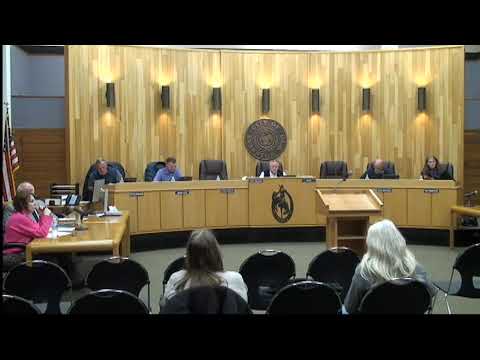
Evanston council approves ADU zoning changes on second reading, adds caretaker exception
Summary
The Evanston City Council approved Ordinance 2601 on second reading, amending the city’s zoning code for accessory dwelling units to set size limits, owner‑occupancy requirements and a caretaker exception; council agreed to refine residency language before final adoption.
The Evanston City Council voted to approve Ordinance 2601 on second reading, updating the city code governing accessory dwelling units (ADUs).
City staff outlined changes adopted after first reading, including standards that allow a detached accessory dwelling unit of 400 square feet or less (with a minimum of 190 square feet meeting the International Residential Code tiny‑house provisions), and a requirement that property owners physically reside in the primary dwelling as their primary residence for more than 50% of a calendar year. The ordinance also preserves an exception permitting an employed non‑family member to occupy an ADU temporarily to provide caretaker services for a family member.
"A detached accessory dwelling unit, which is 400 square feet or less, and at least 190 square feet shall comply with the provisions of appendix B, tiny houses of the International Residential Code," staff said during the presentation. Staff also read the owner‑occupancy language: "the owner of a property containing an accessory dwelling unit shall physically live in either the primary dwelling unit or the accessory dwelling unit as their primary residence for more than 50% of a calendar year."
Council members discussed tightening the one‑year residency language and potential constitutional and fair‑housing implications. One councilor said the language had origins decades ago and suggested minor wording changes "so we can protect the city." City staff indicated they would draft clarified language and circulate it to council members before the next reading.
A motion to approve the ordinance on second reading with the caretaker‑services wording was made and seconded; the council voted to approve the measure on second reading. Because this approval was on second reading, a subsequent third reading is required for final adoption as an ordinance.
Council members said they would continue to work on refined language in the intervening period and that any amendments could be offered at second or third reading.
Next steps: staff will prepare tightened language addressing residency and fair‑housing concerns and distribute the proposed revisions to the council ahead of the next meeting.