Two Aurora East USD 131 schools outline improvement plans, set 5% proficiency targets
Loading...
Summary
Fred Rogers Magnet Academy and Simmons middle school presented school improvement plans to the Aurora East USD 131 curriculum committee on Feb. 17, 2026, emphasizing literacy and numeracy goals, strategies to boost student engagement and declines in chronic absenteeism.
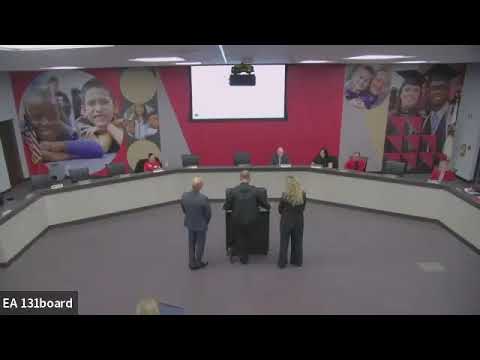
Principals and school leaders from Fred Rogers Magnet Academy and Simmons middle school presented their 2025–26 school improvement plans to the Aurora East USD 131 curriculum committee on Feb. 17, emphasizing targeted instructional practices and measurable growth goals.
At Fred Rogers Magnet Academy, Principal Brian Valek said the school’s aim is “to make our students college and career ready by offering enrichment and expansion and, developing our students' talent.” Assistant Principal Marlon Williams reviewed assessment and attendance data: he reported math proficiency on the IAR at 49.1% and literacy proficiency at 86.1%, and noted the school’s daily average attendance (ADA) at 95.2% and chronic absenteeism near 7%, down from double digits the prior year. Staff set a goal of 5% growth in the percentage of students meeting or exceeding state standards and described classroom discussion and questioning as priority teaching practices to deepen student thinking.
Simmons administrative leadership described a parallel focus on strengthening Tier 1 instruction, monitoring subgroup performance and using PLCs and structured learning visits to ensure consistency. The Simmons team said its literacy SMART goal is a minimum 5% increase in students meeting or exceeding grade‑level expectations on the spring 2026 IAR, and reported reductions in chronic absenteeism from about 40% last year to roughly 28% this year after stepped-up family communication and early monitoring.
Both presentations cited learning-visit data showing a high percentage of lessons requiring application and problem solving (depth-of-knowledge level 2 or higher) and stressed teacher collaboration, scaffolded supports for students with disabilities, and language supports for English learners.
Committee members asked about measuring belonging and follow-up supports; presenters described a short, school‑created survey administered across three quarters, targeted teacher follow-ups for students who no longer reported a sense of belonging, and referrals to social work or team interventions as needed. The Fred Rogers and Simmons teams concluded their presentations with offers to make materials and data available for committee review.