Get Full Government Meeting Transcripts, Videos, & Alerts Forever!
Get email alerts on the Governance Agenda Control topic
No spam. Unsubscribe anytime.
Select Board votes to let majority call meetings, adds transparency on attorney consults
Summary
Ossipee Select Board approved changes to internal procedure allowing any majority of select members to call meetings and added steps to loop members into planned contacts with town counsel; members also approved a minor revision to the public-input policy giving residents priority to speak.
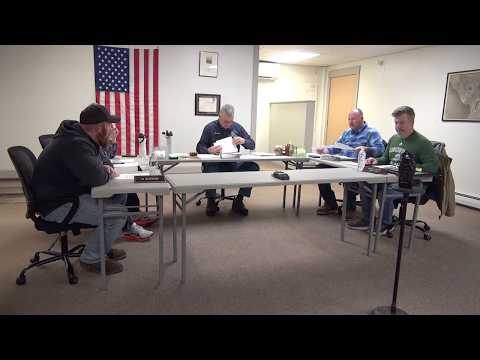
The Ossipee Select Board on Jan. 13 approved a revision to board practice to allow any majority of select board members to call meetings and to permit any member to add items to the agenda, a move proponents said will improve responsiveness and critics said risks undermining the chair’s traditional role.
Speaker 6 proposed the change after describing difficulties convening an emergency meeting related to the Deer Run boardwalk. After debate about RSA 91-A emergency meeting authority, the board voted in favor of the policy change by voice vote. Speaker 1 emphasized statutory authority vested in the presiding officer for true emergency meetings but did not block the procedural change for regular meetings.
In a related discussion about communications with the town attorney and insurance counsel, Speaker 6 moved that select board members be consulted in advance for telephone or written communications that could affect town operations or expenditures. After lengthy debate about practicability and 91-A constraints, the member amended the request: when a member anticipates reaching out to town counsel, other selectmen should be copied on the initial email so they may attend or follow up. Board members agreed to the transparency compromise rather than a strict new approval requirement.
The board also approved a narrow revision to the public input policy requiring recognized speakers to state their name and address and specifying that town residents be heard before non-resident guests when multiple speakers seek time. The motion passed by voice vote.
Board members framed these moves as operational improvements ahead of a forthcoming expansion to a five-member board and as steps toward more inclusive internal communication. Opponents warned that routinely allowing a majority to call meetings could complicate scheduling and hamper the chair’s ability to manage town business; supporters said the change merely ensures access and faster response when multiple members identify urgent issues.
Next steps: staff were directed to implement the revised agenda/meeting-calling rule, to update the public input policy on the town website, and to adopt the practice of copying select board members on anticipated communications with counsel where appropriate.