Get Full Government Meeting Transcripts, Videos, & Alerts Forever!
Get email alerts on the Grading Policy topic
No spam. Unsubscribe anytime.
Brunswick district outlines 'relearning' grading policy to roll out in 2026–27
Summary
District presenter Pat Geshke told the Brunswick Board of Education that a grading committee recommends a 'relearning and demonstrating mastery' process for 2026–27, with universal eligibility up to a 93 grade, teacher‑led relearning, and teacher discretion for courses with intertwined standards.
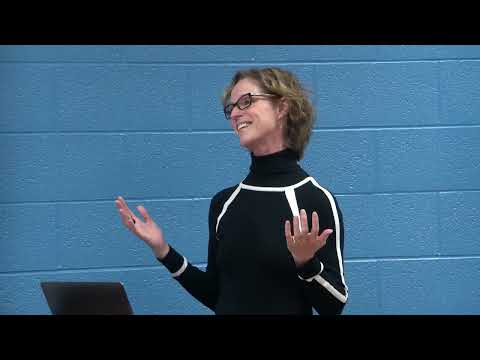
At its Jan. 20 meeting, the Brunswick Board of Education heard a detailed presentation from Pat Geshke on a grading committee proposal to let students "relearn" specific standards and then demonstrate mastery, with the policy targeted for implementation in the 2026–27 school year.
Geshke said the committee, formed of roughly 39–40 representatives from elementary, middle and high schools, focused on ensuring grades are "fair, accurate and consistent." He told trustees the committee moved away from the language of "retakes" and toward a process that requires documented, teacher‑guided relearning before a student may reassess a standard.
"We believe a grade should actually act [to] accurately communicate a student's current level of mastery of a skill or standard while providing meaningful, individualized feedback that supports learning to progress," Geshke said. He described options for reassessment that include targeted corrections, error analysis, small‑group interventions or, in some classes, a full reassessment at the teacher's discretion.
The committee proposed several non‑negotiables: any high‑school student with a 93 or below would be eligible to participate; a successful demonstration of mastery would replace the previous score; and relearning must be teacher‑directed (self‑directed relearning may be appropriate in limited settings). Geshke said the policy is not intended as a point‑chasing opportunity and emphasized the importance of proximity between instruction, feedback and reassessment.
Trustees heard that the district plans additional professional development and staff sessions: a committee discussion and AI‑committee presentation in February, followed by hands‑on PD in March. Geshke said the district will explore using AI tools to help teachers craft differentiated relearning activities and assessment items, and that teacher‑based teams (TBTs) will coordinate formative assessment work to identify needs before summatives.
Board members asked for classroom examples and how parents should expect relearning to look. Geshke said in many cases the work will resemble current formative practices — targeted interventions and small groups — but with clearer documentation and consistent eligibility. He stressed teacher autonomy within the policy umbrella and said some subjects (for example, certain high‑school math courses) may require whole‑assessment approaches because standards are interconnected.
The presentation concluded with an implementation timeline and an invitation for questions at forthcoming staff and parent meetings. The committee intends to continue collecting feedback before finalizing district procedures for the 2026–27 rollout.