Get Full Government Meeting Transcripts, Videos, & Alerts Forever!
Get email alerts on the Measure X Needs Assessment topic
No spam. Unsubscribe anytime.
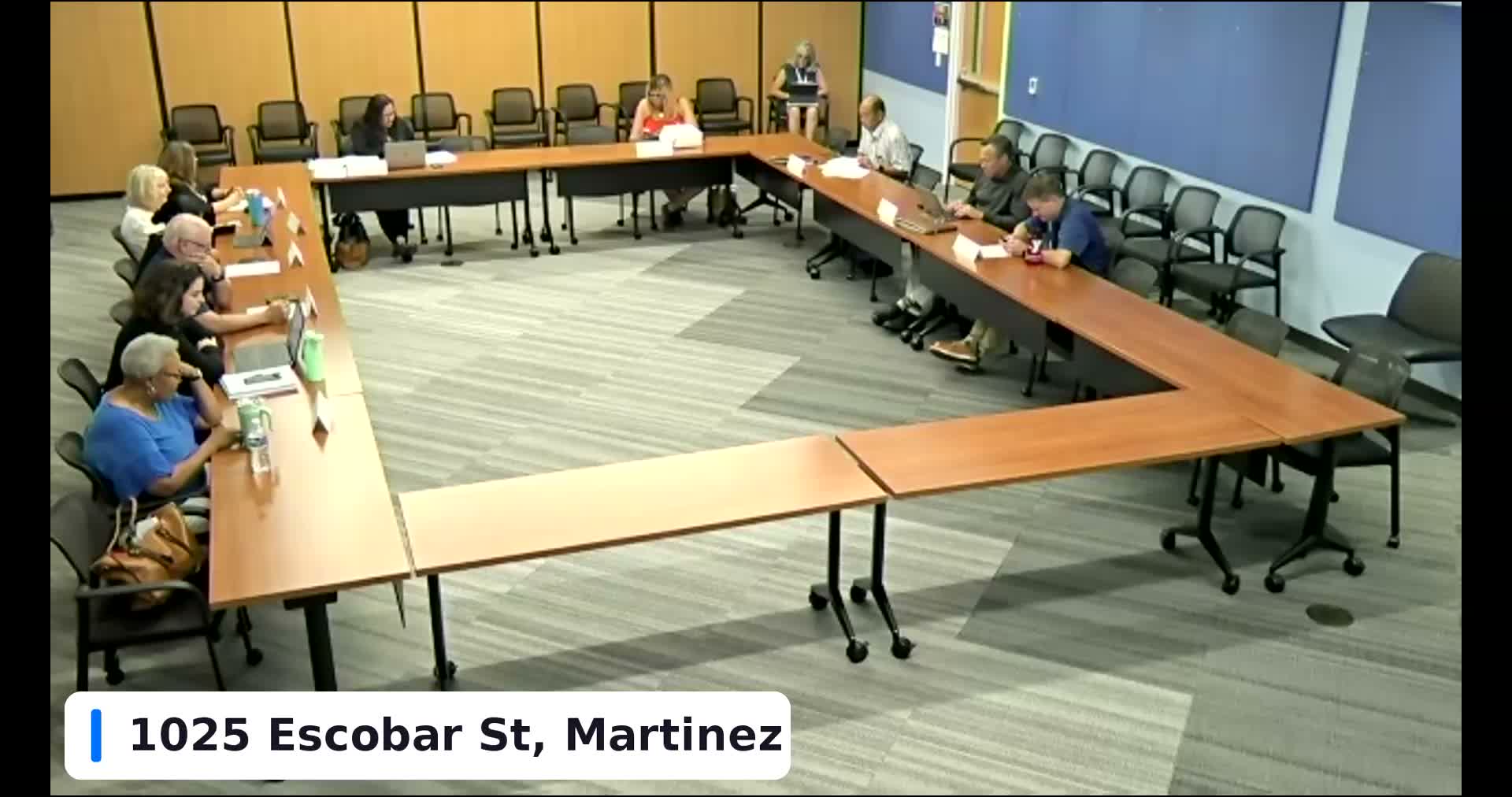
Contra Costa Measure X advisory board reviews Board allocations, debates needs assessment and consultant role
Summary
The Measure X Community Advisory Board reviewed Board of Supervisors direction to allocate remaining Measure X surplus and debated hiring a consultant to lead a needs assessment and evaluation; members agreed to refine an indicators memo and seek a study session with the Board. (Quoted speakers: Jessica Shepherd, Melvin Willis, Denisha Marsh.)
The Measure X Community Advisory Board on the evening under review discussed Board of Supervisors instructions to allocate roughly $1,470,000 of remaining Measure X revenue and debated how much of that funding should support a needs assessment and evaluation versus direct services.
Jessica Shepherd, deputy county administrator, summarized the Board’s allocations, saying the board budgeted "about $1,470,000" in remaining surplus and listing line items the county planned to advance: "$400,000 to expand services to Black males for phase 1 of the African American wellness and resource hub, $2,250,000 for a Measure X needs assessment and evaluation, $200,000 to expand parent peer support services, $200,000 to expand family navigator services, just over $221,000 for food insecurity, and $200,000 for mental health for AAPI." Shepherd said the CAO’s office presented the table at the Board meeting on June 10.
Several advisory board members pushed back on the scope and cost of a consultant‑led assessment. Denisha Marsh said members were skeptical that another evaluation was needed and warned about a consultant line item, saying, "this is a waste of $250,000 that can go to something that we determined weeks ago that was a need." Other members asked staff to clarify whether the larger $2.25 million figure referenced by Shepherd represented the total allocation for a combined needs‑assessment and evaluation effort and whether $250,000 was the specific amount proposed for hiring an outside consultant; staff and members agreed to clarify that breakdown before forwarding the summary to the Board.
Community commenters emphasized inclusion and targeting as the county designs guaranteed‑income pilots and other anti‑poverty efforts. Melvin Willis, speaking for ACE and the Racial Justice Coalition, thanked the advisory board for starting the guaranteed‑income conversation but urged earlier and broader collaboration with community partners, saying the coalition was "concerned that the collaboration with other county staff has been lackluster, and we deeply desire more collaboration so we can have the best guaranteed income program possible for Contra Costa County and its residents."
A central policy discussion focused on whether the Measure X advisory board should recommend a Results‑Based Accountability (RBA) indicator framework to guide departmental performance measurement. Members and staff described the RBA approach as a two‑phase process: first adopting population‑level indicators (conditions of well‑being and equity lenses) and then, later, working with departments and community‑based organizations to define department‑level performance measures. Presenters estimated the full roll‑out of performance measures could take 12–24 months once departments align with the high‑level indicators.
Members raised accountability and transparency questions about Measure X spending, asking how residents can see who received funds and what outcomes were achieved at the district level. Staff clarified that the Measure X Community Fiscal Oversight Committee and the advisory board are separate: the oversight committee handles audit and fiscal review while the advisory board provides recommendations; staff noted oversight‑committee packets are public.
For next steps, the CAB agreed to revise a draft summary memo (purpose, shared values, why population indicators now, recommended indicators, a short local case study in an appendix, and requests for board direction) and to circulate the draft 96 hours before the next CAB meeting. The chair said the CAB would vote on the summary at the following meeting and seek a study session with Supervisor Anderson and the CAO to align on the assessment/evaluation scope and CAB participation.
The advisory board did not adopt a final decision on the assessment funding or contractor scope during this meeting; members asked staff to return with clarified line‑item breakdowns and proposed consultant responsibilities before the Board of Supervisors acts.