Get Full Government Meeting Transcripts, Videos, & Alerts Forever!
Get email alerts on the Animal Services topic
No spam. Unsubscribe anytime.
Harlingen board praises spay/neuter program, discusses vet participation and possible additional funding
Summary
Health Director Shannon Harvill reported about 260 spay/neuter surgeries performed under a $200,000 adoption-only allocation and said veterinarian participation is the primary bottleneck; the board directed staff to explore adding a separate low-cost program for residents and the possibility of new funding and facilities.
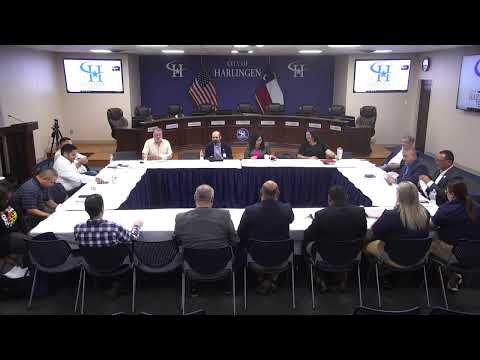
The Harlingen Community Improvement Board heard a progress report on the city’s spay/neuter initiative and expressed general support for expanding low-cost services to Harlingen residents.
Health Director Shannon Harvill told the board the program—funded by a $200,000 allocation intended for spay/neuter surgeries for animals adopted from the city shelter—has performed about 260 surgeries since October 2024. "The greatness of a community is measured by how it cares for its most vulnerable, including our pets," Harvill said. She said veterinary participation is the main constraint: Arroyo Veterinary Hospital currently provides most services and gives the shelter a 15% discount, while Dr. Mitchell performs surgeries for the shelter on about one clinic day per month.
Harvill described a separate low-cost vouchers grant funded from pet-friendly license-plate revenues: the board’s grants team secured $9,029 for low-cost spay/neuter services for eligible residents. Under that program, Harvill said, voucher recipients pay $40 for cats and $50 for dogs when they present a voucher at the participating clinic. Harvill also said she had heard from the Brownsville Low-Cost Spay and Neuter Clinic about potential collaboration, though staff must still determine whether that clinic’s services would be used for adopted shelter animals or for broader low-cost community services.
Board members discussed options including opening a new funding bucket (separate from the existing adoption-only allocation), contracting relief-vet services, partnering with regional vet schools or clinics, and exploring a mobile clinic or dedicated facility. One board member reported $1,000,000 secured from Congressman Gonzalez for construction of a new facility that could include a spay/neuter suite; staff noted construction and facility planning would take time.
No formal vote was taken; the board provided direction to staff to develop options for a separate low-cost program and to prepare a possible funding proposal for future consideration, with staff to report back at a later meeting.