
South Texas Emergency Care Foundation reports rising call volume, highlights community programs
Get AI-powered insights, summaries, and transcripts
Sign Up Free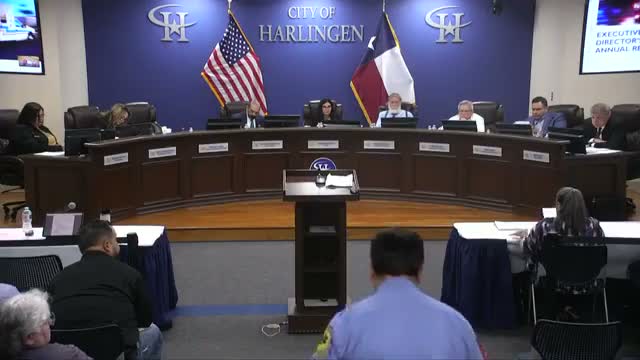
Summary
South Texas Emergency Care Foundation reported 29,388 total alarms in 2025 and 20,179 calls in Harlingen for the fiscal year; the foundation highlighted community health programs that cut EMS use and emergency-department visits and distributed car seats to families.
Reni Perez, nurse paramedic with the South Texas Emergency Care Foundation, presented the organization's annual report and told the Harlingen City Commission the foundation saw significant increases in call volume in 2025 and has focused on community-health programs to reduce emergency care demand.
Perez reported 29,388 total alarms across the service area in 2025 and 20,179 alarms in Harlingen, an increase from 19,788 the prior fiscal year. She said the foundation's Community Health Program—which emphasizes keeping patients at home through follow-up and preventive care—has reduced EMS use by about 60% for targeted participants and lowered emergency-department utilization by roughly 20% for those patients. Perez also highlighted community training (CPR, Stop the Bleed), a car-seat program that distributed most of 146 seats purchased via grant, and mobile ambulance laboratories that provide lab testing in the field.
Commissioners praised the foundation’s education and community health efforts and asked staff to continue partnerships with hospitals and other providers. "The community health program I think is extraordinary," the mayor said, noting its role in reducing unnecessary ER visits and protecting vulnerable residents.
What happens next: The foundation will continue outreach and training, coordinate with the city on public-health initiatives, and respond to commissioners' questions about response times and regional hospital delays.