Verizon proposes nine antennas at existing Greendale tower; trustees seek public hearing and legal opinion
Loading...
Summary
Concordia Wireless, on behalf of Verizon, proposed colocation of nine antennas at 6101 S. 51st St. Board members pressed for transparency and asked the village attorney to advise whether the changes constitute a "substantial modification" under Wisconsin statute 66.0404; a trustee moved for a public hearing and staff was asked to obtain RF-exposure documents from the applicant.
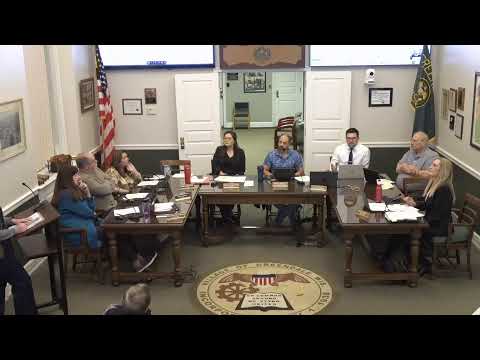
Concordia Wireless, as agent for Verizon Wireless, submitted an application to modify a previously approved special use for the cellular tower at 6101 S. 51st St., and the Village Board heard the proposal and related concerns at the February meeting.
Applicant Eric Mangan explained Verizon proposes to install nine new antennas (three per sector) mounted at an 88-foot centerline on an existing tower that has a total height of about 119 feet; all new equipment would remain within the pre-existing 60-by-60-foot leased ground space, so no increase in tower height or ground footprint was proposed.
A trustee moved that village staff schedule and provide notice of a public hearing on the application, citing a need for public transparency and community information given past concerns about the tower. Trustees raised questions about how many antennas currently exist, whether adding Verizon service would materially increase radiofrequency exposure, and the statutory standard for a "substantial modification." Staff noted that the village code does not define "substantial" and referenced Wisconsin statute 66.0404—as the state definition, which treats a modification as substantial if it increases structure height by more than 20 feet, increases width by more than 20 feet, or expands the footprint.
Applicant offered to supply RF-exposure documentation for the board and said the installation was a common colocation that typically did not trigger a public hearing because the tower and lease area were unchanged. Trustees asked staff to consult the village attorney and, where appropriate, produce public notice; the board prepared to take a brief recess to allow staff to contact legal counsel for guidance on whether the work rises to the level of a substantial modification under state law.
Next steps: The board directed staff to consult the village attorney about whether the proposed work is a "substantial modification" under Wisconsin law and to consider whether a public hearing should be scheduled. The applicant offered to provide RF-exposure information to the board to address community questions.