
Santa Clara Unified unveils $30 million "rightsizing" plan; staff and community urge pause
Get AI-powered insights, summaries, and transcripts
Subscribe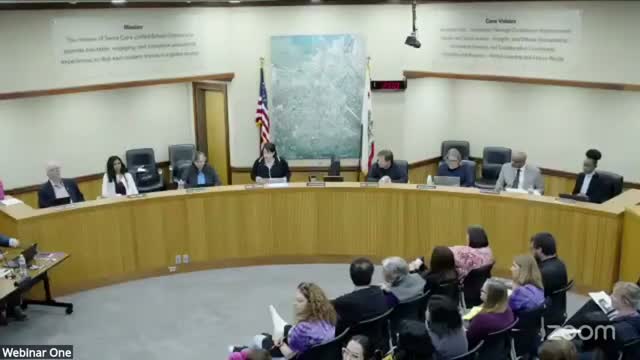
Summary
District leaders presented a framework to cut about $30 million from the 2026–27 general fund — including reductions in certificated and classified staff and program restructures — prompting hours of public comment asking the board to slow the process and use reserves to phase changes.
Superintendent Damon Wright and Chief Business Officer Mark Scheel told the Santa Clara Unified Board of Trustees on Feb. 12 that the district faces a roughly $30 million structural deficit in 2026–27 and proposed a rightsizing plan that would reduce staffing and nonessential contracts to stabilize finances. Wright and Scheel said declining enrollment, one‑time pandemic funding that has ended and sustained salary and benefit increases led to the shortfall and that county oversight had signaled the need for timely action.
At the board meeting Wright said the district is "overstaffed" relative to current enrollment and described the plan as painful but necessary. Scheel presented the financial calculations and staffing proposals, saying the draft would reduce about 113 certificated FTEs, 40 classified FTEs and 15 management positions in the initial framework, with additional vendor contract reductions and program adjustments that together approach the $30 million target. Scheel also said $1,000,000 in vendor contracts had already been identified for nonrenewal and that routine restricted maintenance adjustments could yield an additional roughly $800,000 in savings.
Assistant Superintendent Jose Gonzalez explained the legally driven implementation steps for layoffs, pointing to California Education Code timelines (preliminary RIF notices by March 15, hearings and proposed decisions by an administrative law judge in early May, and final board action and notices by May 15). Gonzalez said the process is governed by inverse seniority and bumping rules and that attrition (retirements and resignations) was already expected to offset part of the reductions; he said staff estimated about 16.4 FTE offset via attrition and that net implementation would change as positions are balanced at the site level.
Trustees asked staff about alternatives and timing. Several trustees pressed whether the district could spread reductions over multiple years, temporarily reduce salaries, or shift more cuts to district‑office positions. Scheel said an across‑the‑board pay reduction sufficient to avoid layoffs would be roughly 10.5 percent and warned that such a reduction would materially affect take‑home pay and pension calculations. He also cautioned that delaying reductions could increase the total reductions later and that relying primarily on attrition this year posed a fiscal risk.
The community response was immediate and extensive: more than two hundred speakers filled the meeting and many hours of public comment focused on three themes — protect student‑facing services (counselors, psychologists, behavior technicians and special education supports), prioritize small and specialty programs (dual‑language immersion and the Young Parents Center), and use the district’s reserves to phase changes. Union leaders and classroom teachers urged the board to slow the pace and develop a multi‑year plan; classified staff stressed that bumping rules and inverse seniority create ripple effects when even a small number of positions are cut.
Several speakers cited the district’s reported unrestricted reserves (public commenters estimated roughly $118,000,000 in reserves as discussed during the meeting) and urged the board to use those funds to preserve staffing continuity while adjusting over 2–3 years. Other commenters asked for site‑level impact analyses before any final decisions so trustees could see where prevention systems and intervention teams would be dismantled.
Board members did not vote on the rightsizing plan at the meeting. Trustees directed staff to continue the process, invited more community feedback and scheduled further consideration at the Feb. 26 meeting and subsequent budget hearings. Scheel and Gonzalez said staff would refine numbers as attrition, negotiated skip criteria and site allocations are reconciled.
The next procedural steps — preliminary notices, potential hearings and final board determinations — remain constrained by the statutory calendar cited by staff; the board signaled it would continue public engagement before taking final action.