
Abington Heights board discusses $62M preliminary budget, Act 1 limits and referendum costs
Get AI-powered insights, summaries, and transcripts
Subscribe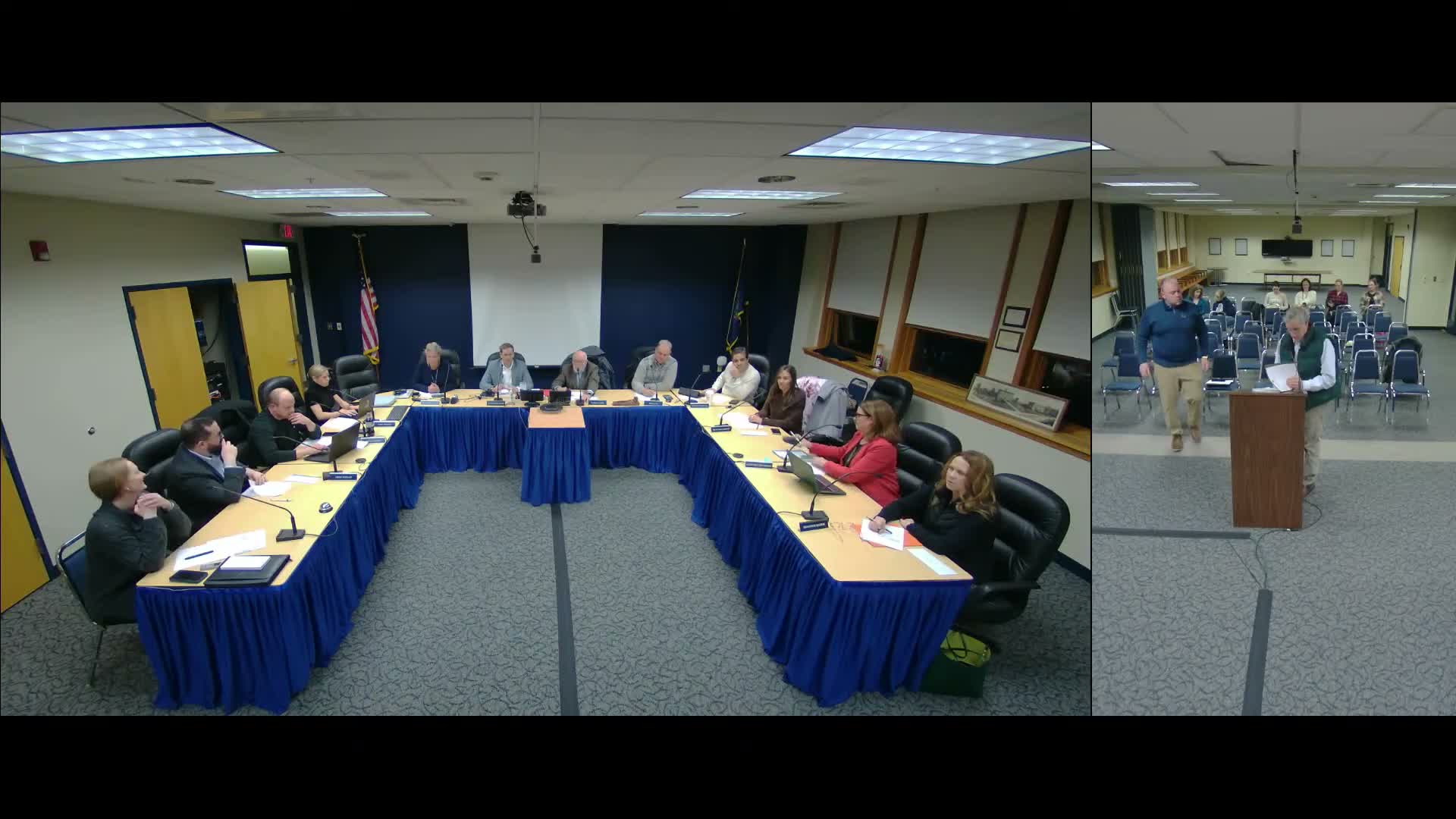
Summary
Board members said the 2025–26 preliminary budget is a little over $62 million, described an expected near‑term imbalance and discussed Act 1 tax limits and the high cost and low success rate of referendums to raise taxes beyond the index.
The Abington Heights School District board on Feb. 18 reviewed preliminary budget numbers for the coming fiscal year and discussed options for financing a planned middle‑school project.
A board member said the 2024–25 budget was $57,000,000 and the 2025–26 budget “is a little over $62,000,000,” and that the district is carrying a preliminary imbalance staff will work to close before the fiscal year end. Board members described the district’s usual practice of adopting a preliminary budget that shows a deficit and then closing the gap later in the year.
Board members discussed how the Act 1 index limits tax rate increases and how recently received state “adequacy” funds affect eligibility for Act 1 exceptions. One board member summarized the district’s position: “we will not go over the index,” reflecting the board’s intent to adhere to the adopted 4.1% index this cycle.
The board also discussed the feasibility and cost of pursuing a referendum to exceed Act 1 limits. Members said a referendum requires about a year of preparation, imposes administrative costs (including paying for ballots through the county election office) and carries financial risk if voters reject the proposal. A speaker summarized the local history: referendums are rare and expensive, and large districts considering referenda often face steep costs even when proposals fail.
Board members framed the financing choice for the middle‑school project as a tradeoff among borrowing, using capital reserves and phasing draws under a construction schedule. One administrator said there remains roughly “21,000,000 and change” in the construction budget and that the next steps will include projecting draw schedules and deciding whether to borrow or use reserves.
The board did not adopt new tax policy at the meeting; members said they are preparing the preliminary budget required by the state and will bring further financing decisions back to the board for formal action.