Lifetime Citizen Portal Access — AI Briefings, Alerts & Unlimited Follows
Discussion of a library tax district stalls over Oregon property‑tax 'compression' concerns
Loading...
Summary
Court members discussed whether forming a library tax district would raise a sustainable revenue stream but were warned that Oregon's property‑tax compression could redistribute any new tax and make the effort a net wash for some local governments; the court asked staff to get current assessor data before pursuing the idea further.
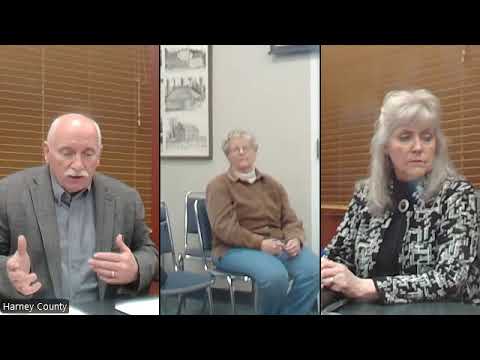
Harney County Court and library volunteers on Feb. 18 discussed the possibility of creating a library tax district but flagged Oregon’s property‑tax compression as a major impediment to net new local revenue.
A meeting participant summarized the constitutional limit commonly called "compression," saying it constrains local tax collections to a cap and can mean that creating a new taxing district simply redistributes the existing tax base rather than generating additional overall revenue. One speaker observed that "Last year last year, as a whole, the county lost over 218, almost $219,000 to compression." That loss was raised to underscore the risk that a library district could reduce funding for other local governments (cities, hospital districts) unless the geographic mix of taxed properties avoids compression.
Attendees recalled past studies that cities and the county had undertaken and noted the work required to create a district, including statutory steps and possible studies. Several people said the idea remains worth exploring but only after county staff and the assessor provide current data about where compression exists and how a district would affect other taxing districts. The court asked staff to consult the assessor and report back with up‑to‑date information and an estimate of practical effects before taking further steps toward a ballot measure.
Next steps: staff will ask the assessor for current compression data and return with a clearer assessment of whether a library district could yield sustainable new revenue or would mainly redistribute existing taxes.