Harney County court votes to pursue countywide 6% transient lodging tax measure
Loading...
Summary
The county court announced it will pursue a countywide transient lodging tax (TLT) at a proposed 6% rate and acknowledged it must negotiate with cities; speakers said current distribution rules allocate about 70% for tourism uses and 30% for general services, and one estimate placed potential revenue at about $200,000.
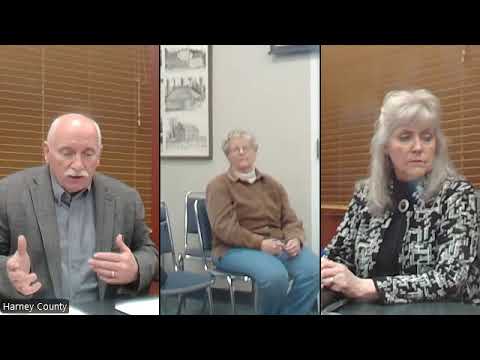
Harney County Court voted on Feb. 18 to pursue a countywide transient lodging tax and discussed a proposal for a 6% rate, subject to negotiation with city governments and state distribution rules.
At the meeting the presiding speaker said, "We're proposing a 6%, basically a county wide 6%," and described the mechanics: the charge would apply to short‑term stays (hotel rooms, campgrounds, Airbnb/VRBOs and similar rentals). Under current law, the county noted, TLT revenue is distributed roughly 70% for tourism‑related uses and 30% for general county services such as roads and public safety; speakers also noted legislation under committee review could change that split to 40% tourism and 60% general services.
Speakers emphasized the county cannot simply layer its TLT inside city limits without agreements. The presiding speaker said any county rate would require negotiations or intergovernmental agreements with the cities that already have TLTs; the group discussed how stacking county and city levies could raise room costs (one example noted a combined extra could reach roughly $12 on a $100 room if both local rates were added).
A rough revenue estimate offered during the meeting put potential county receipts at about $200,000 if the county secured broad coverage and city participation. Supporters argued the tax would generate new revenues for tourism promotion and for general county services, while others flagged the need for public outreach to explain the tax’s purpose and avoid confusion over the term "transient." The court said it will pursue the measure and work with cities and county staff on the next steps, including any intergovernmental agreements and ballot placement logistics.
Next steps: court staff will negotiate with cities, develop outreach messaging explaining that TLT is a tourism fee, and report back to the court on drafts of any intergovernmental agreements and expected revenue models.